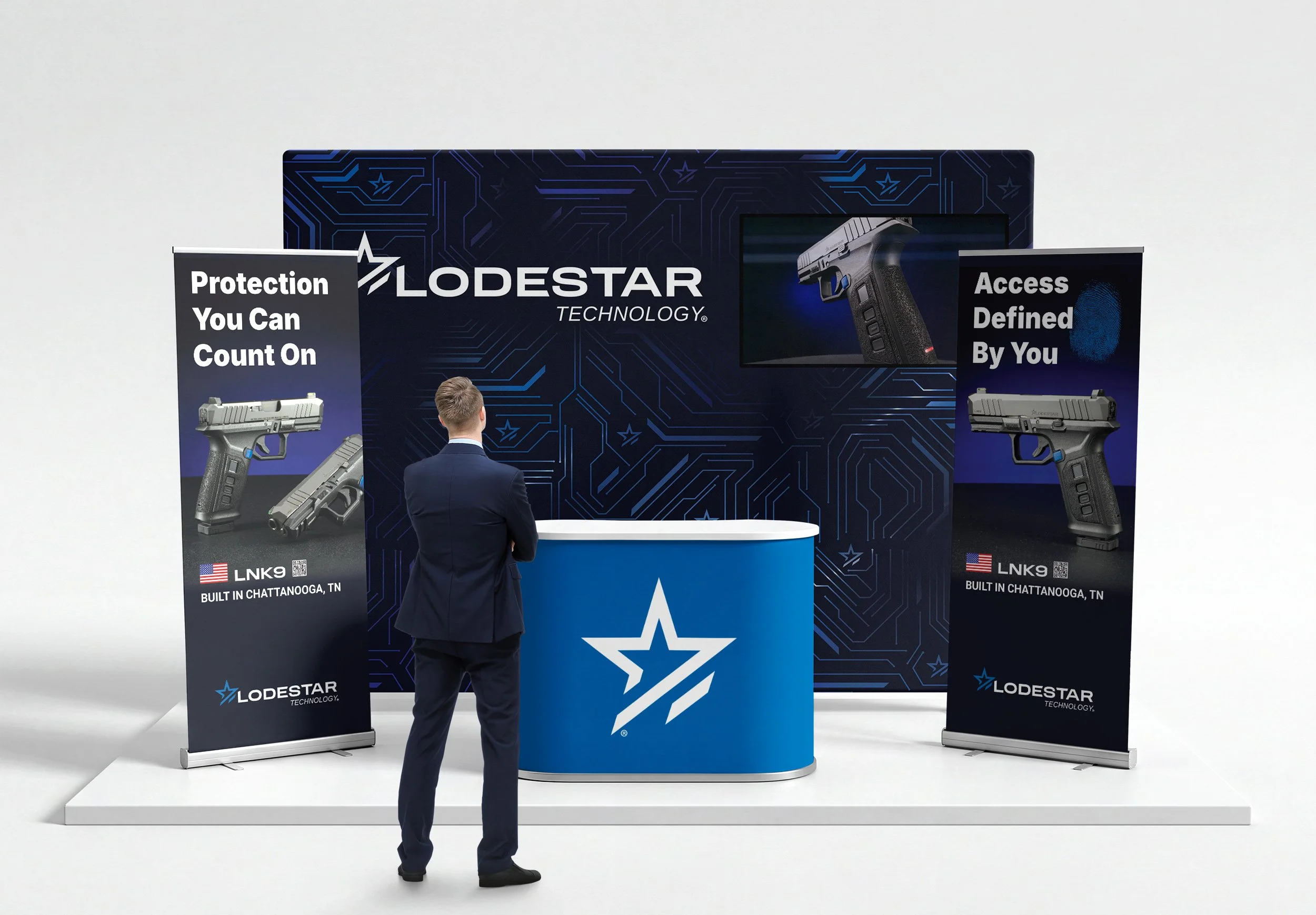
Building a brand from identity through launch and beyond.
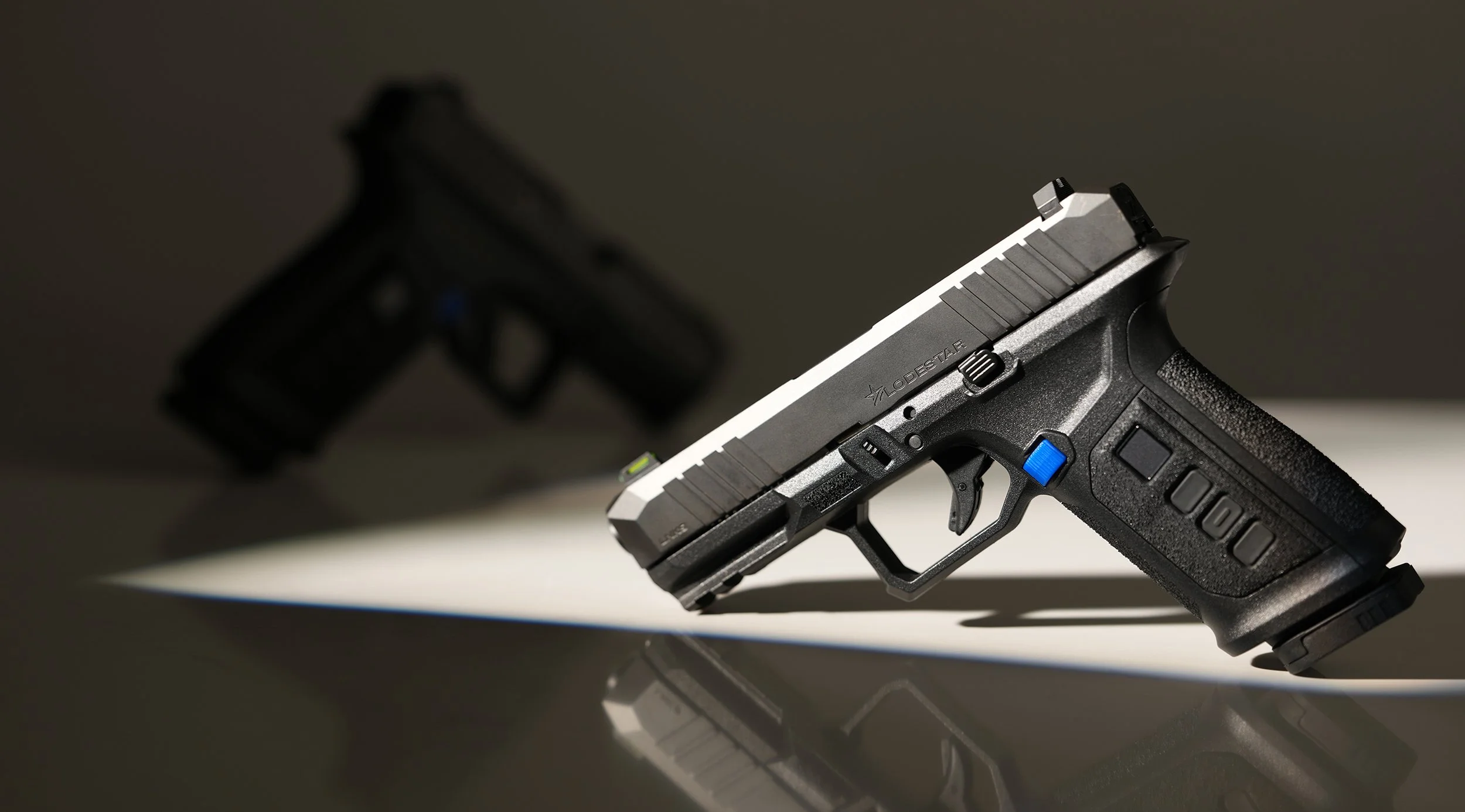

What if a firearm only worked if it recognized the user?
That’s the idea behind the LNK9. Lodestar Technology set out to introduce personal authentication into a familiar 9mm firearm platform.
Fingerprint, PIN, or mobile app access adds another layer of safety without compromising performance or handling.
OVERVIEW
Creating a new brand around a new kind of product.
The LNK9 became the foundation for an entirely new brand—one that needed to introduce unfamiliar technology in a way that felt credible, intuitive, and relevant to a broad range of firearm owners.
A visual system was developed that could move seamlessly from the product and packaging to the website, instructional materials, photography, video, trade show presence, and launch campaign.
THE CHALLENGE
Making unfamiliar technology feel familiar.
The challenge was to communicate a new kind of firearm without making it feel complicated, intimidating, or overly technical.
The brand needed to speak to two audiences: experienced firearm owners who value reliability and performance, and first-time buyers drawn to secured access and a more reassuring ownership experience.

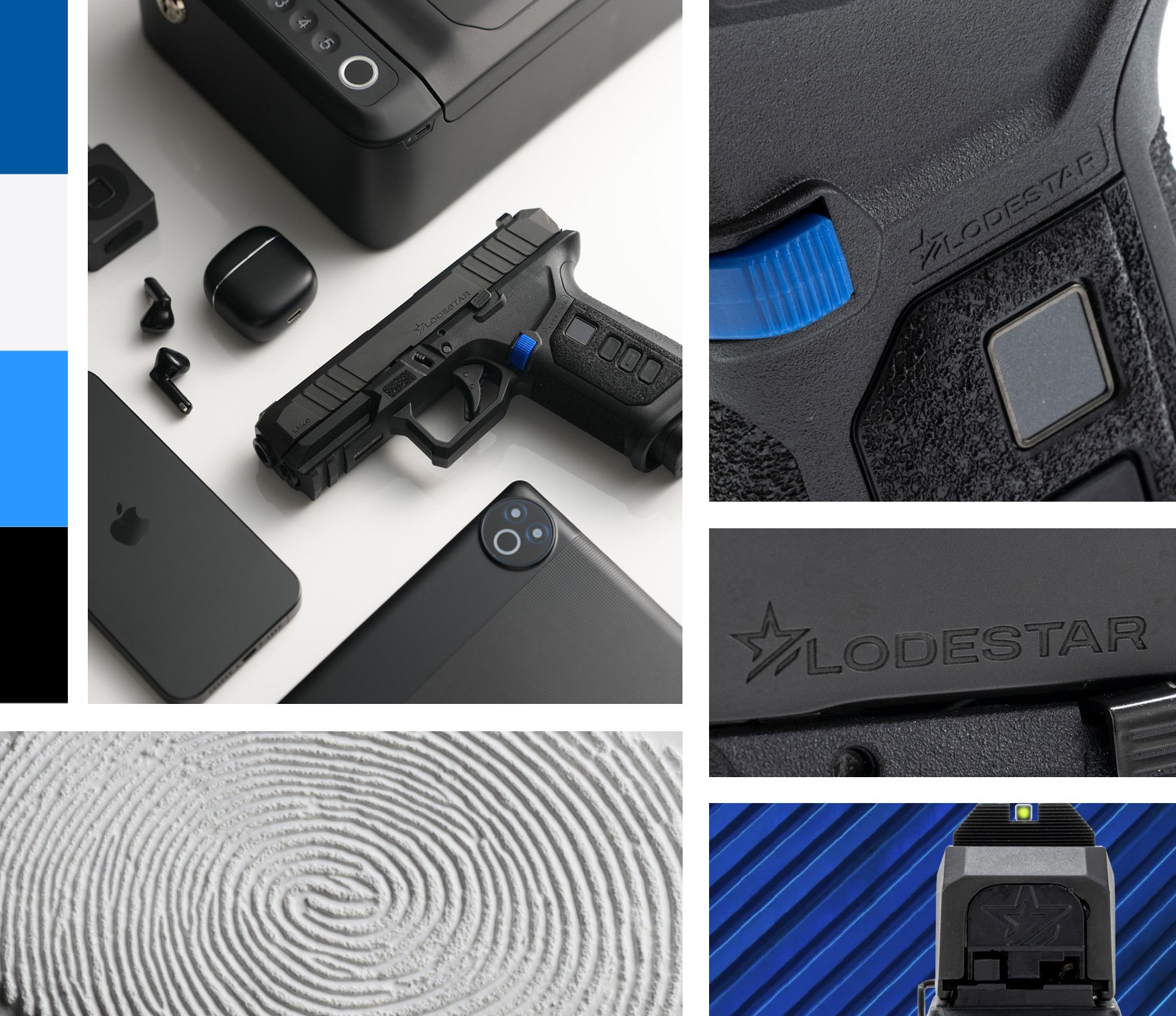
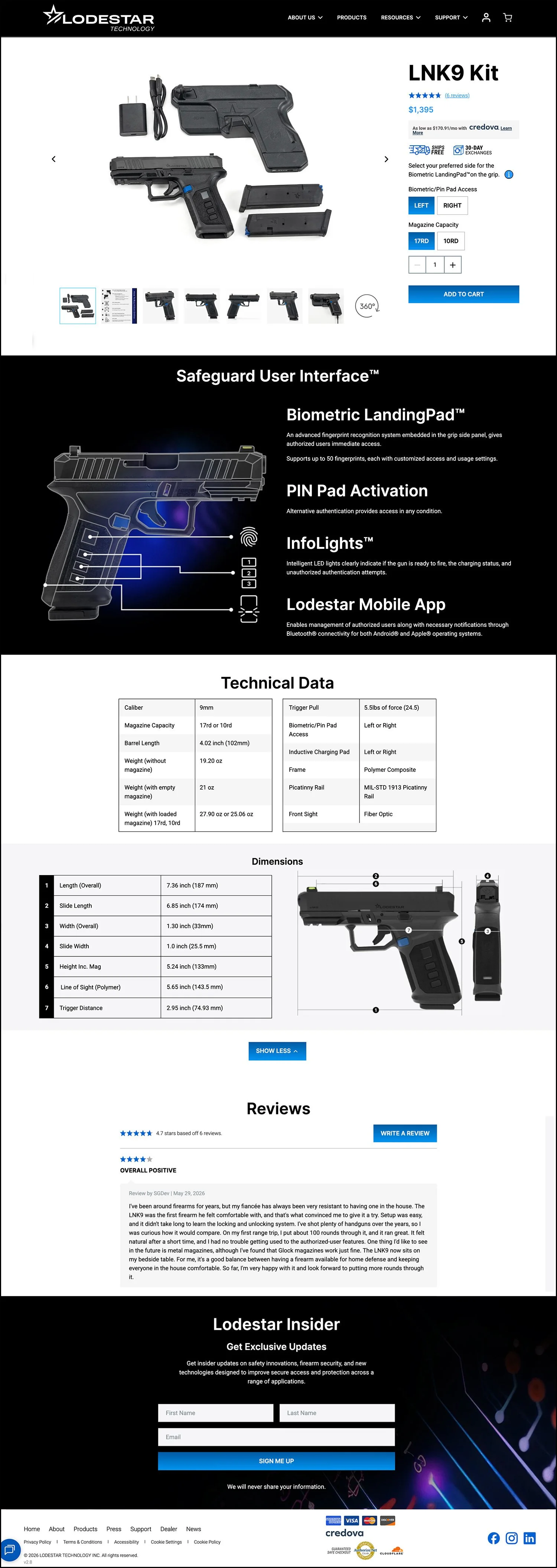
From logo and packaging to web, photography, video, product education, advertising, and trade show design, every element was built to work together as one cohesive brand.
A restrained color palette, strong typography, and a clean graphic system create a flexible creative platform that supports the LNK9 today while giving Lodestar room to grow beyond its first product.
A visual system built to go further.
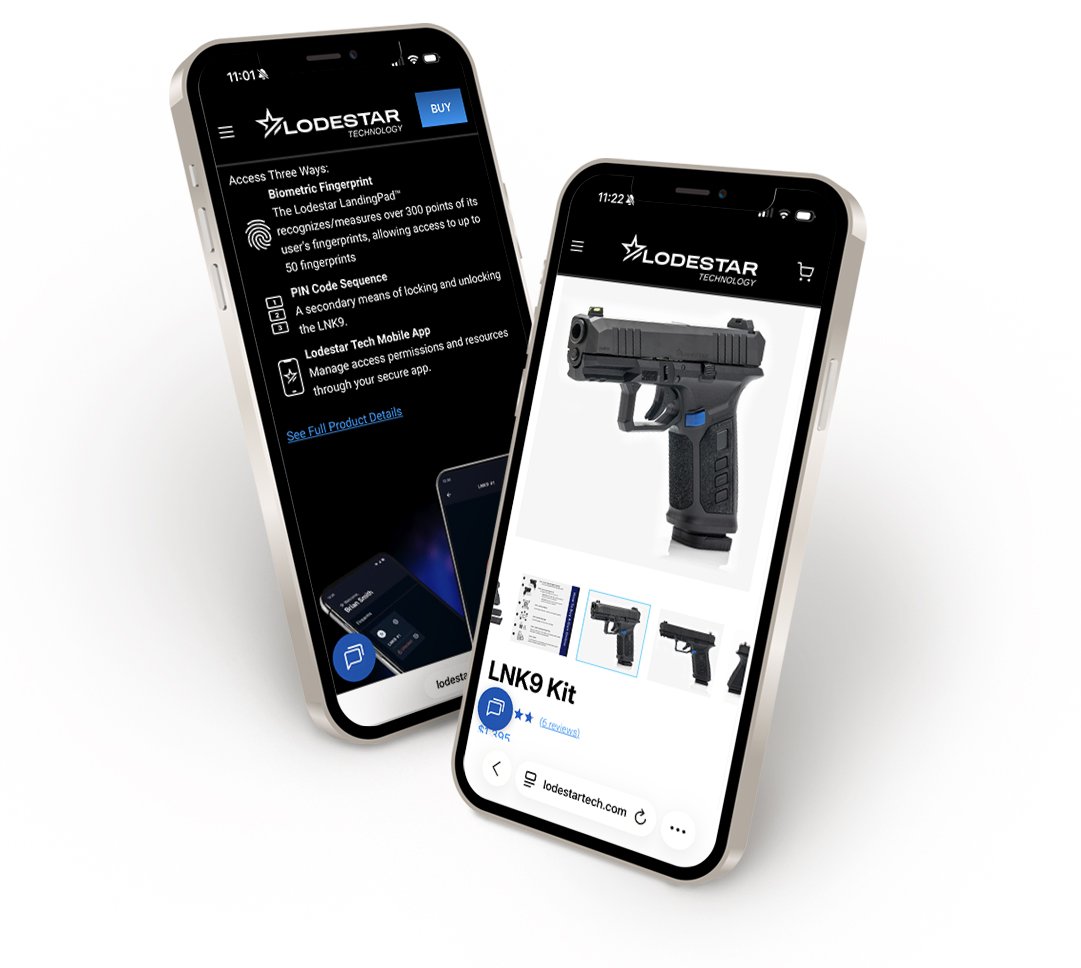
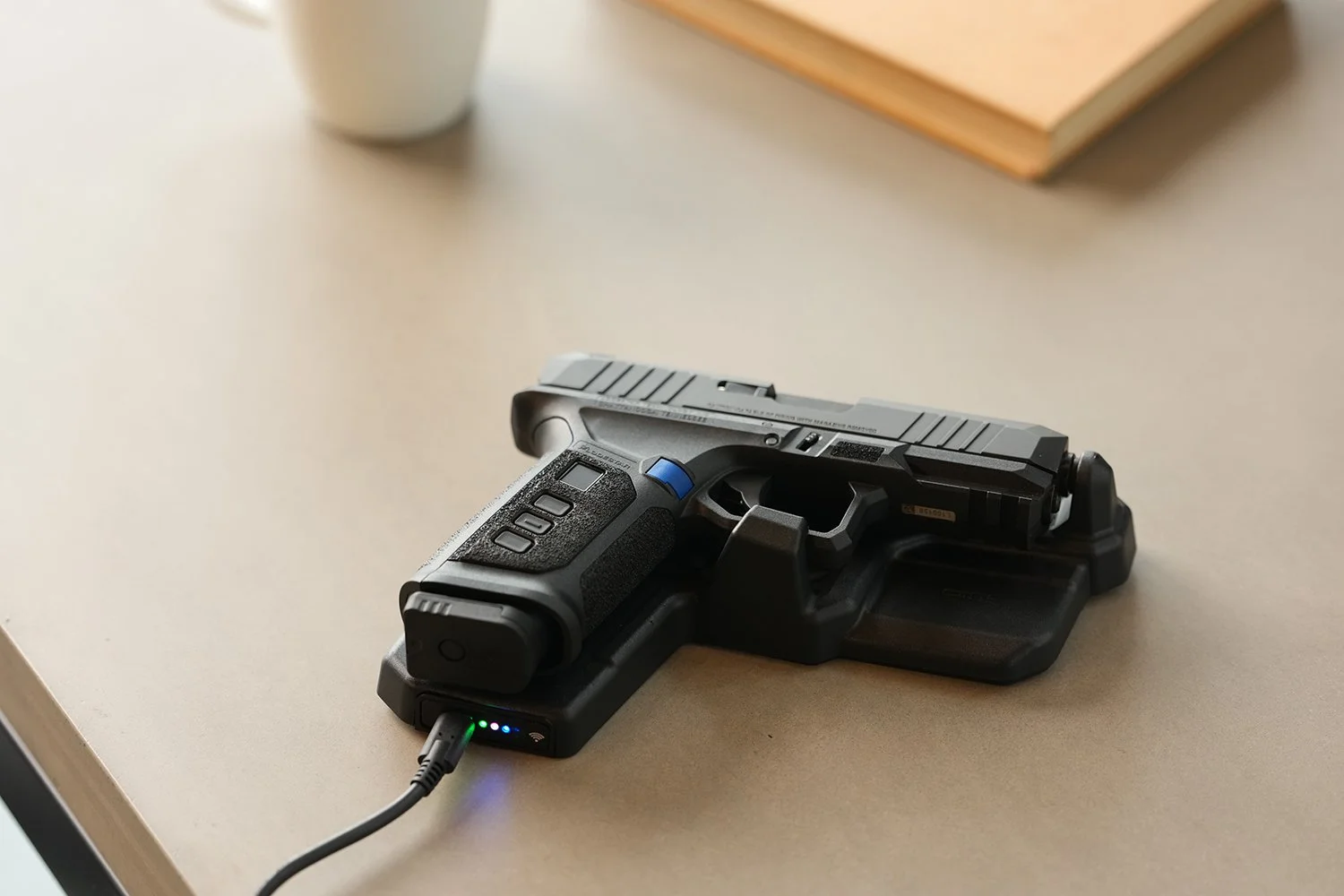
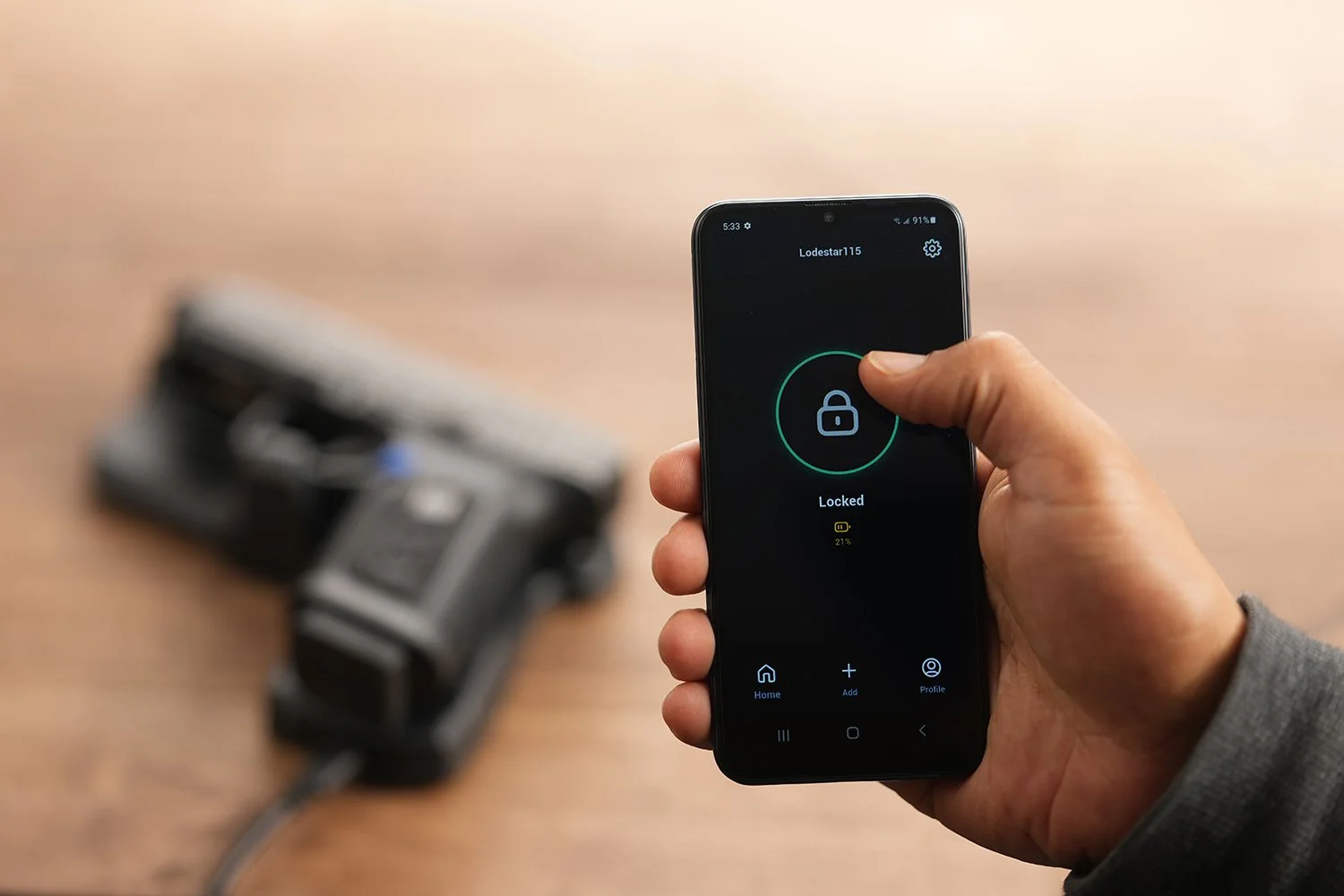
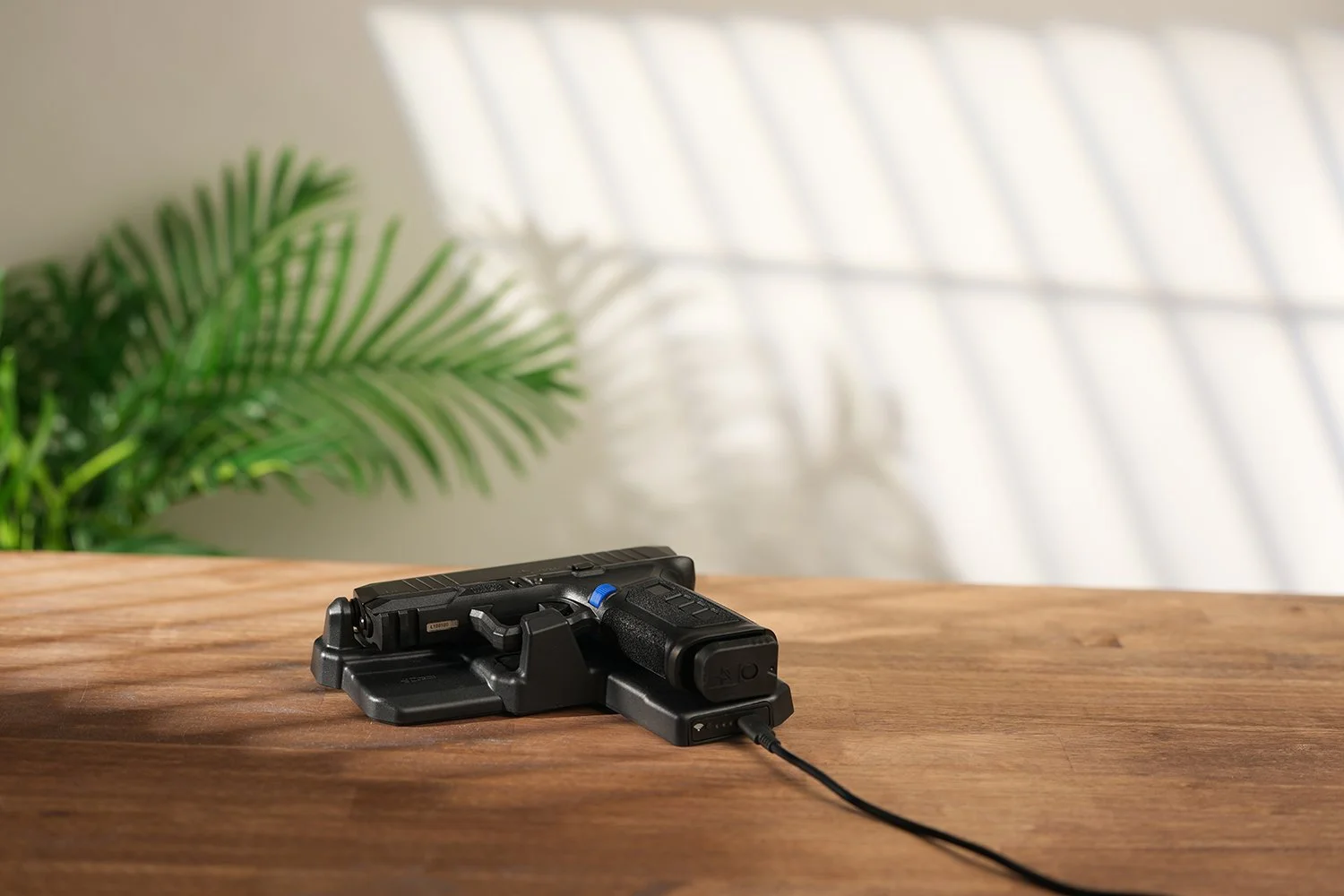
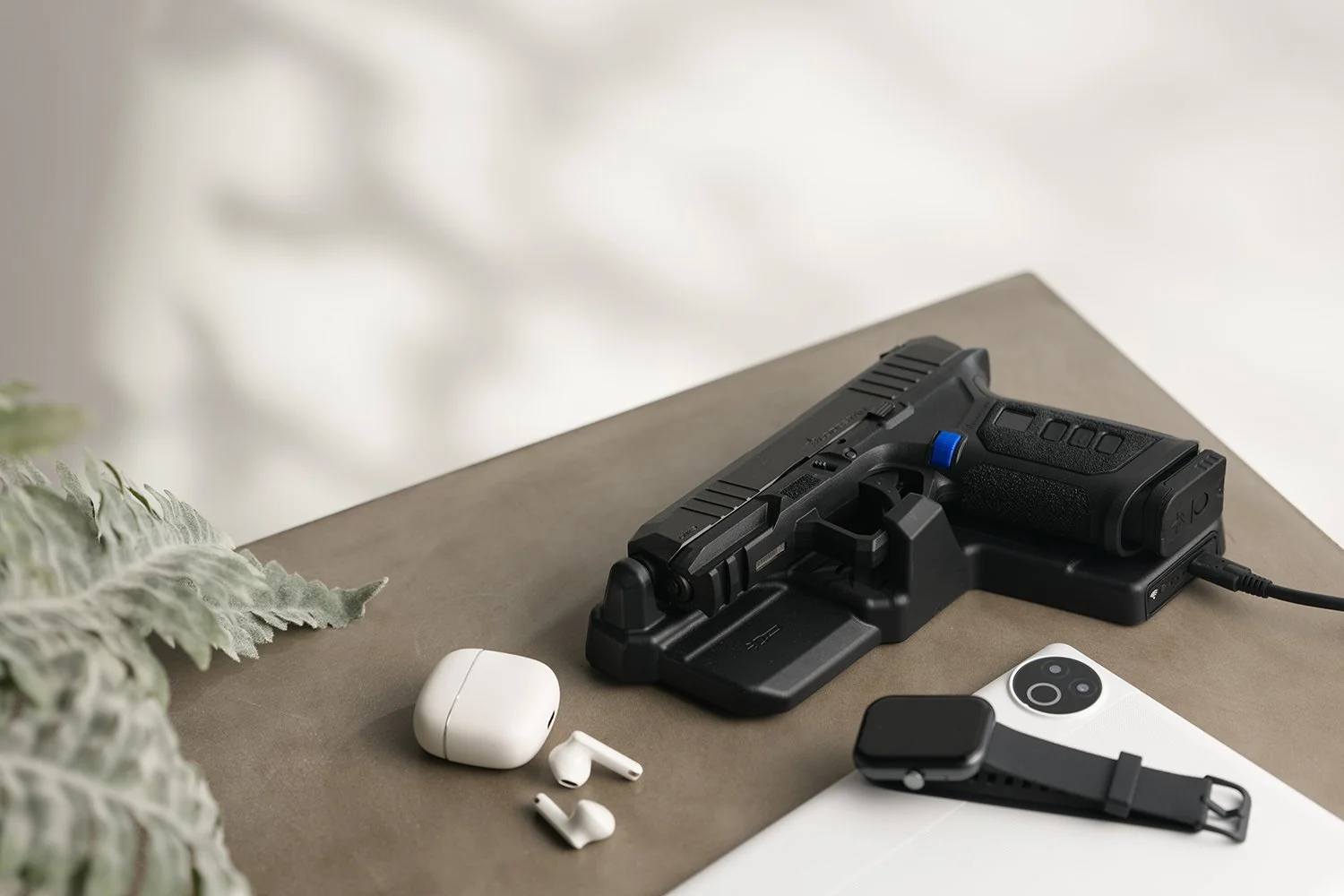
The LNK9 is more than a stand-alone product. The firearm, Charging Pad, and mobile app work together as a connected user experience.
Each component should feel visually connected and easy to understand, creating a consistent experience from setup and authentication through charging, updates, and everyday use.
One system.
Multiple ways to access it.
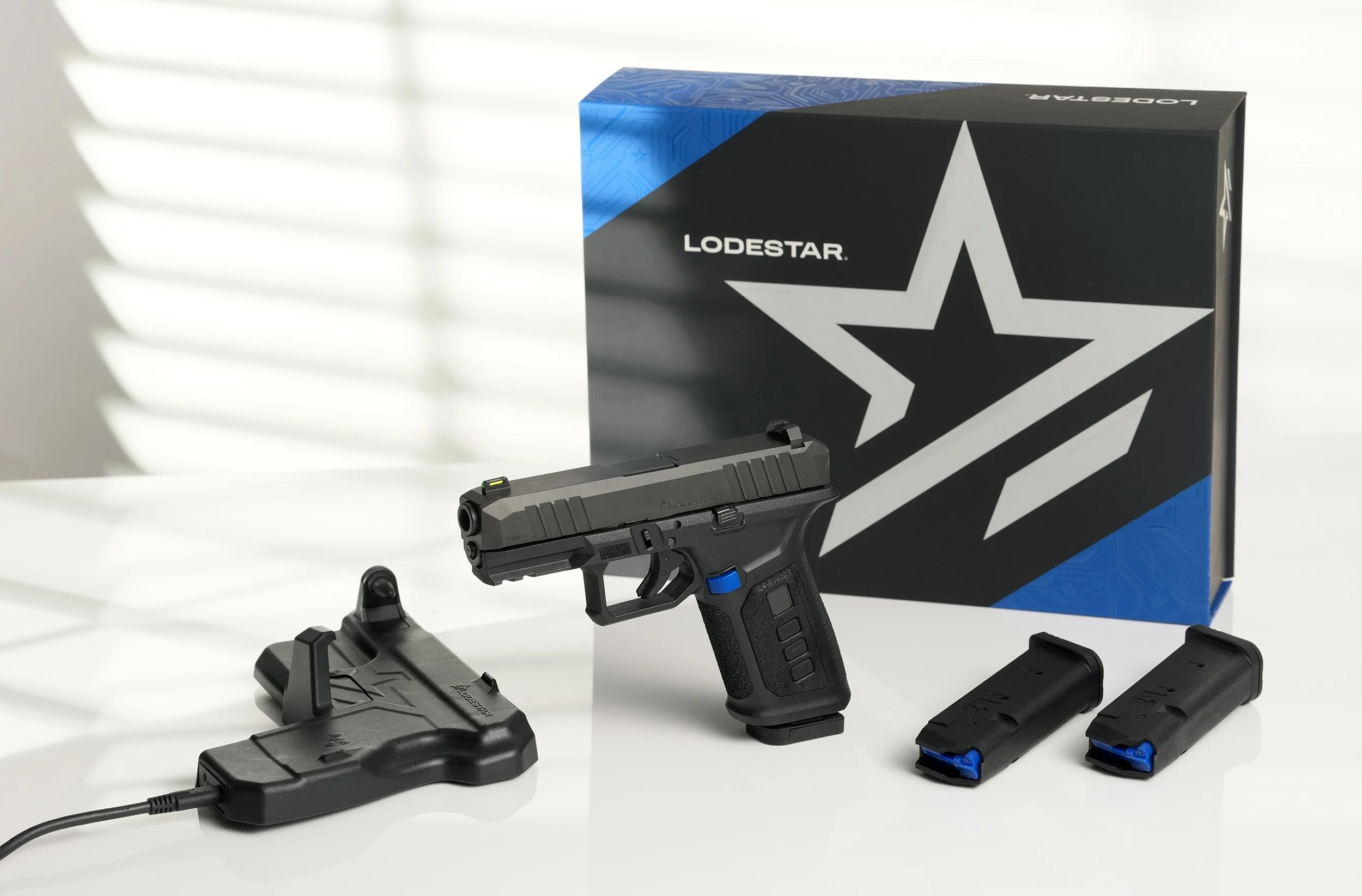
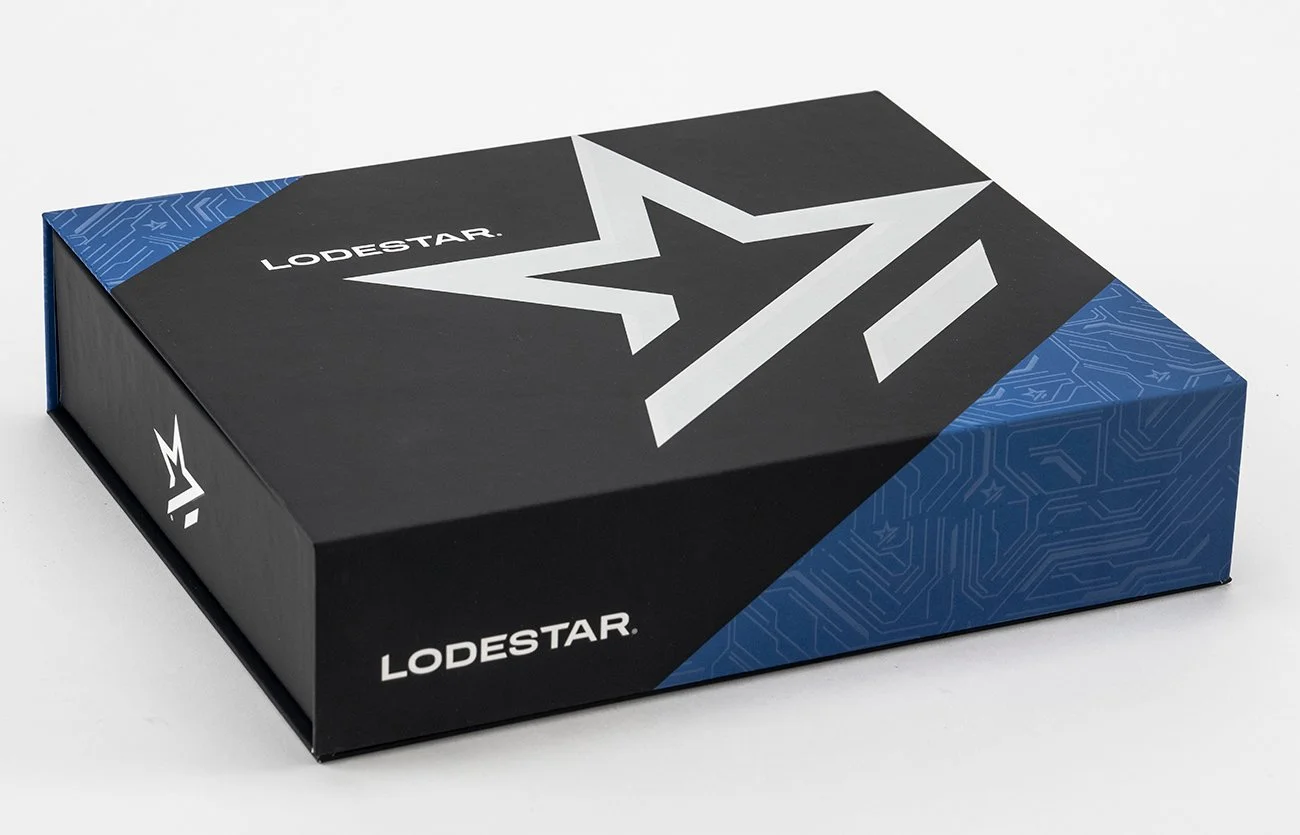
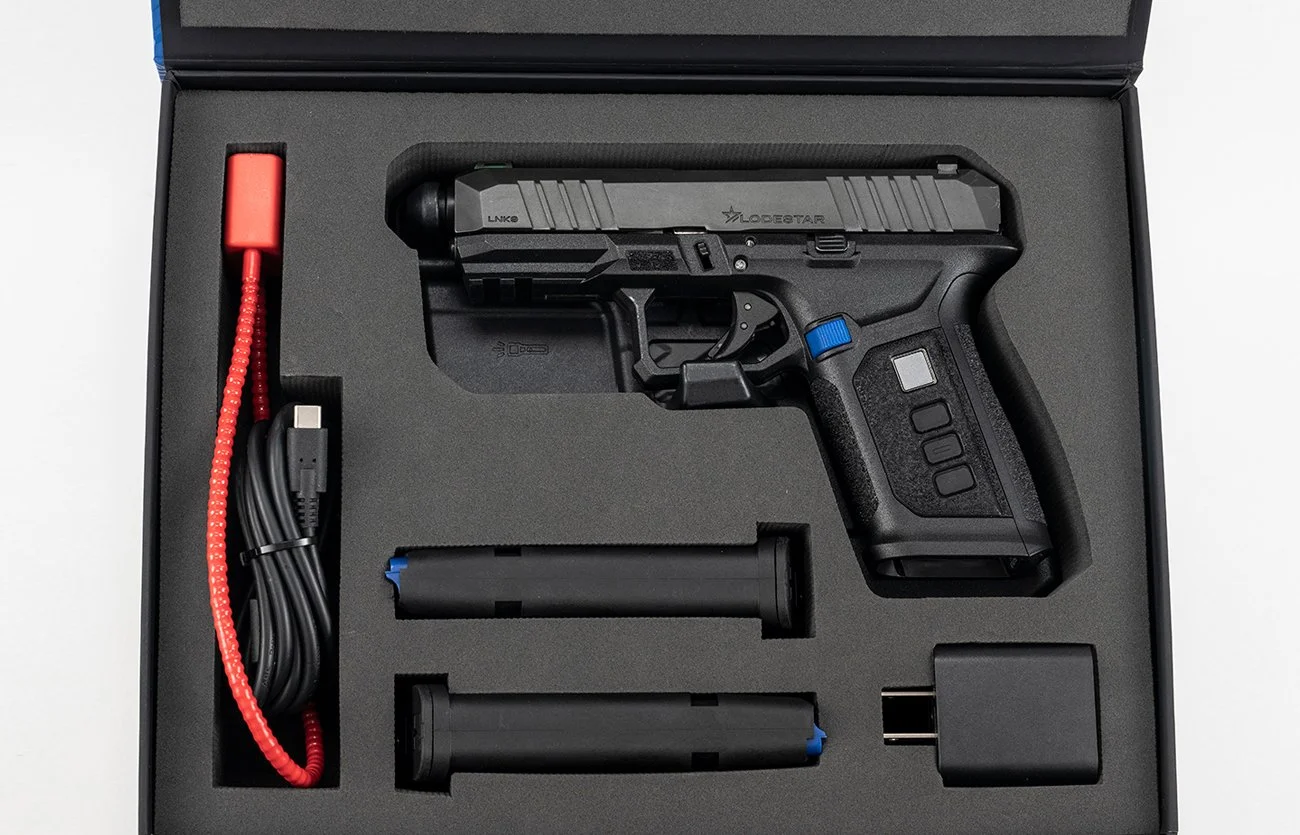
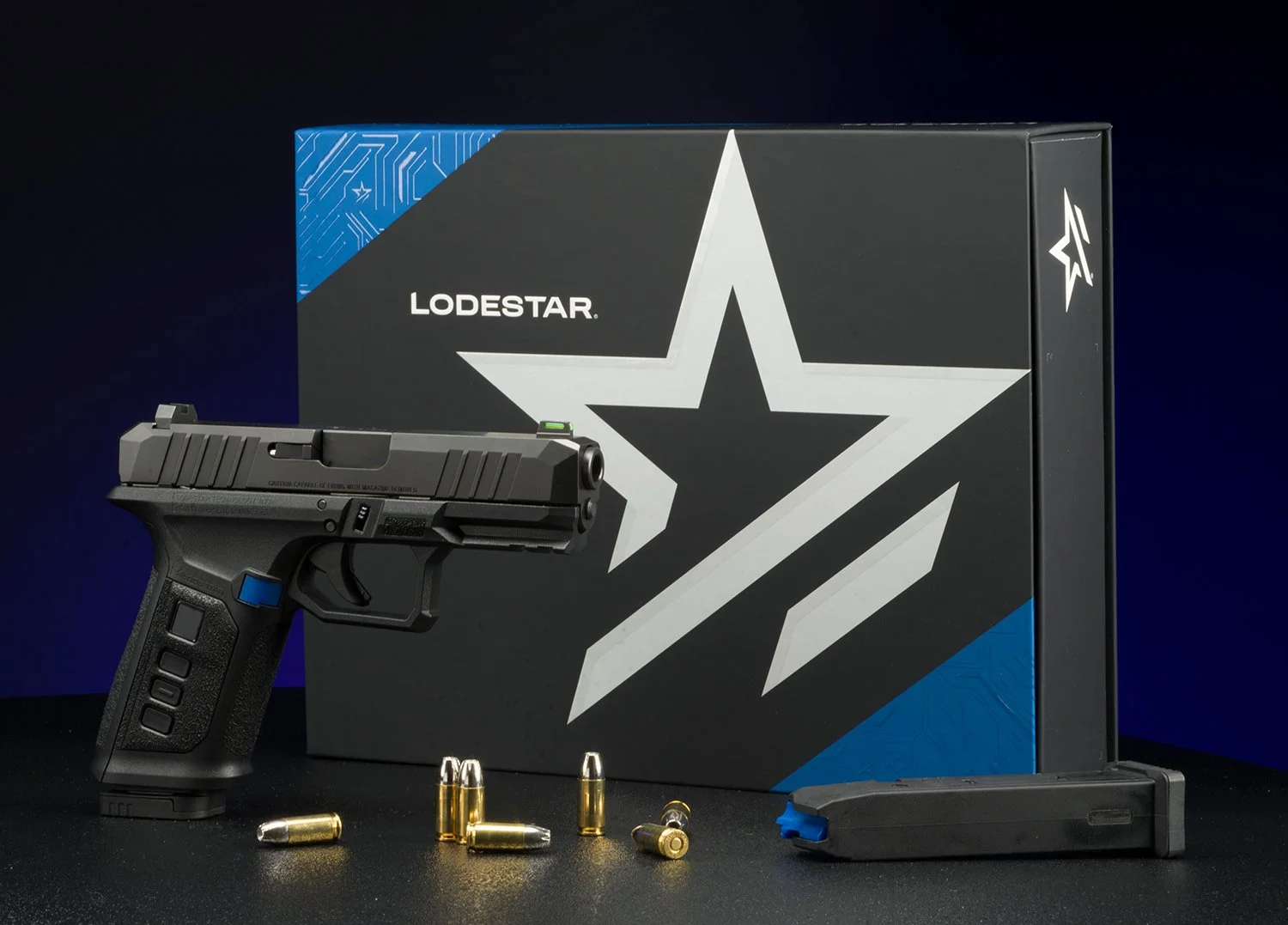
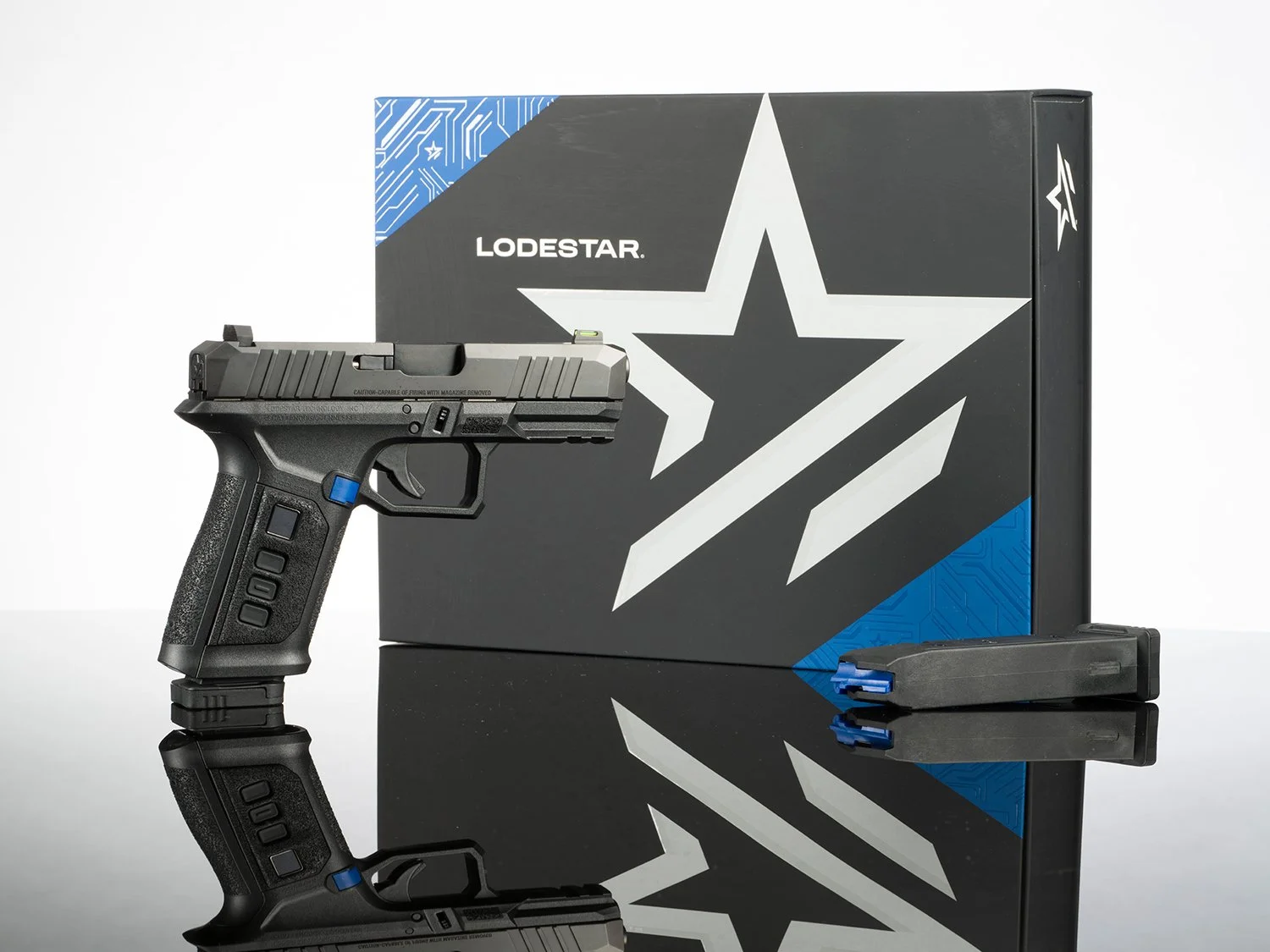
The packaging was designed to convey a premium feel while clearly and intentionally organizing the product, accessories, and instructional materials.
To delight consumers, we customize every detail. The dieline, foam fitting, varnishes, and matte finish work together to enhance the unboxing experience. A quick start guide introduces the technology in a familiar, easy-to-understand way.
The first physical experience.
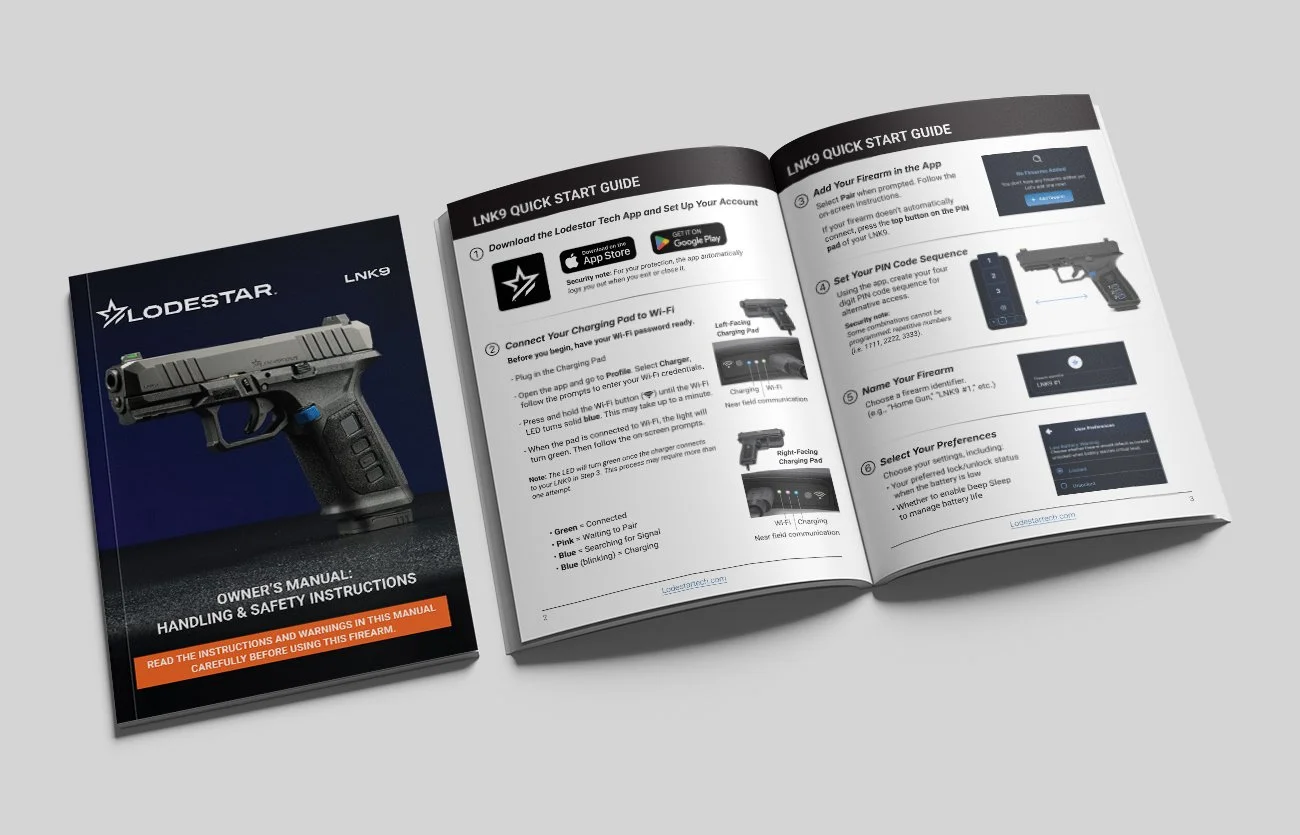
Product education was key. It was designed around the moments users needed it most—from initial setup and authentication to charging and everyday use. Diagrams, hierarchy, and concise instructions turned a complex system into clear, usable information.
Information was organized around what users needed to know, using clear hierarchy, simple language, and visual explanations to make setup, authentication, and everyday use easier to understand.
Complex technology.
Clear communication.
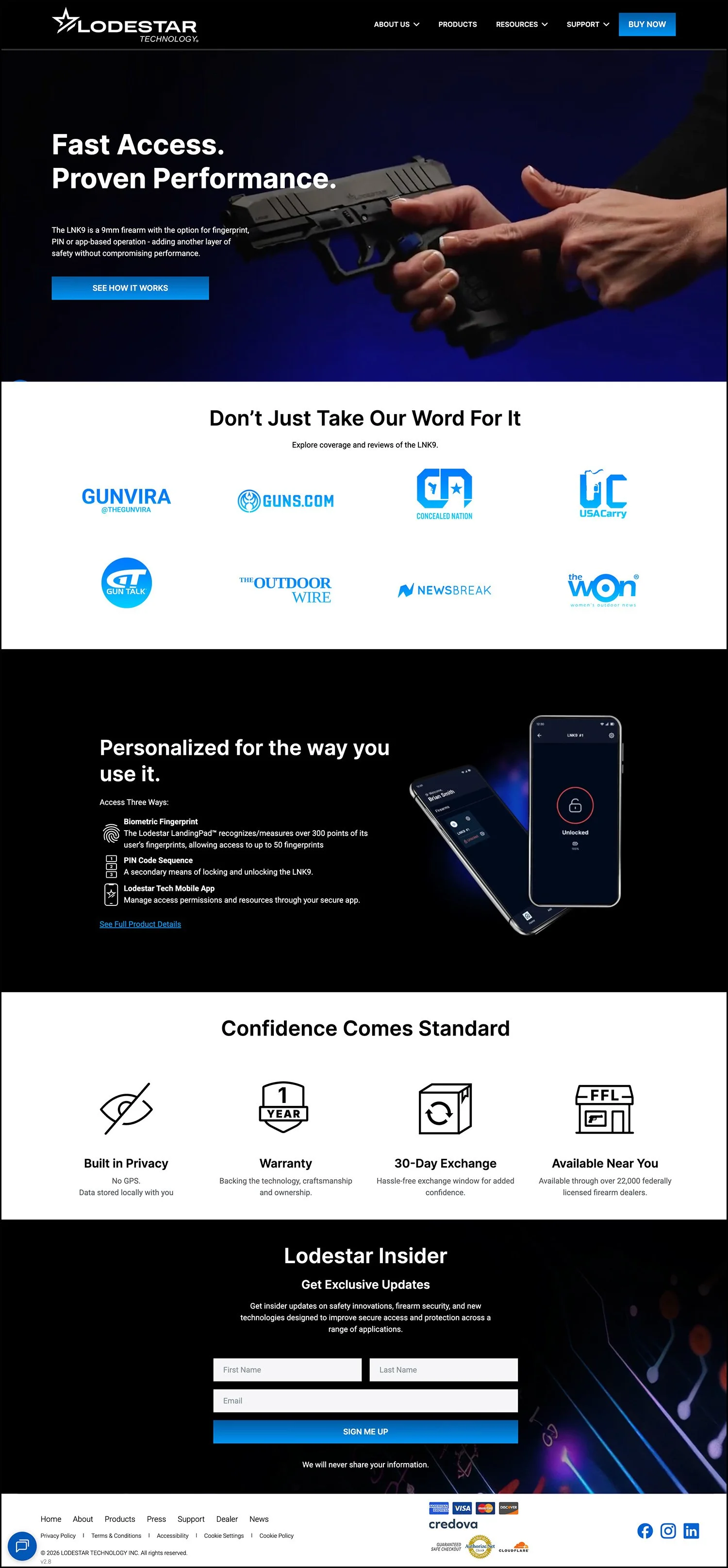
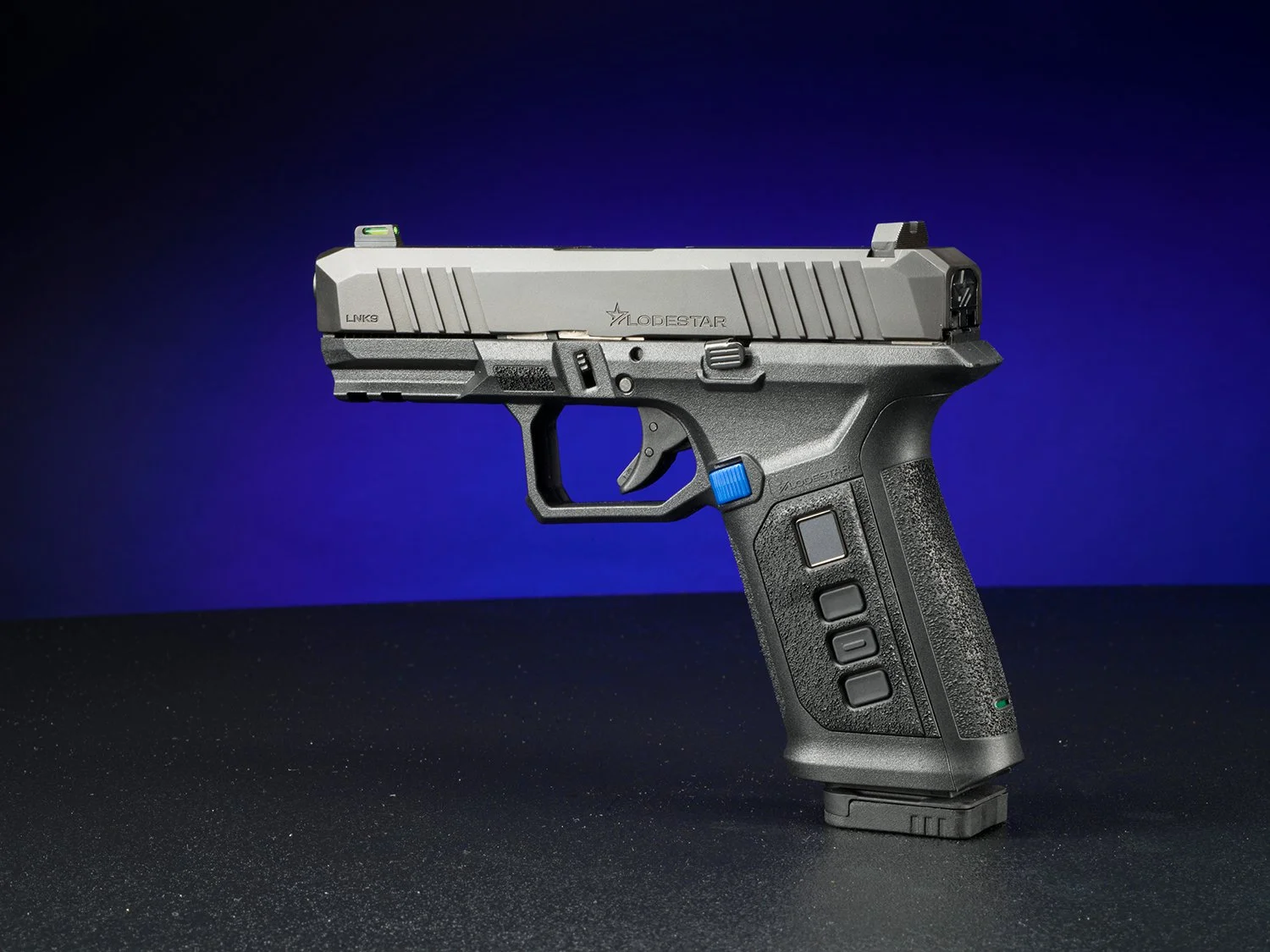
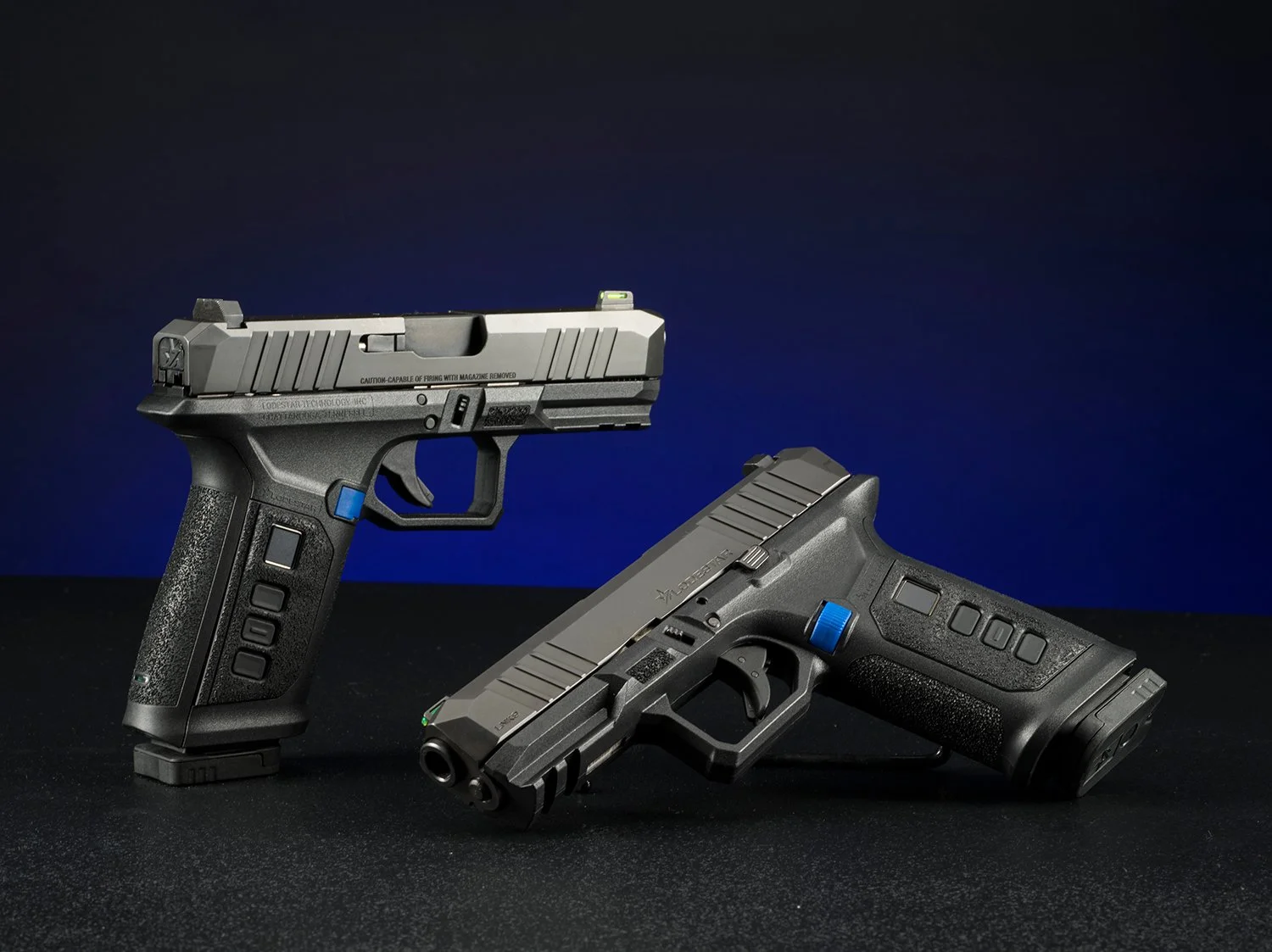
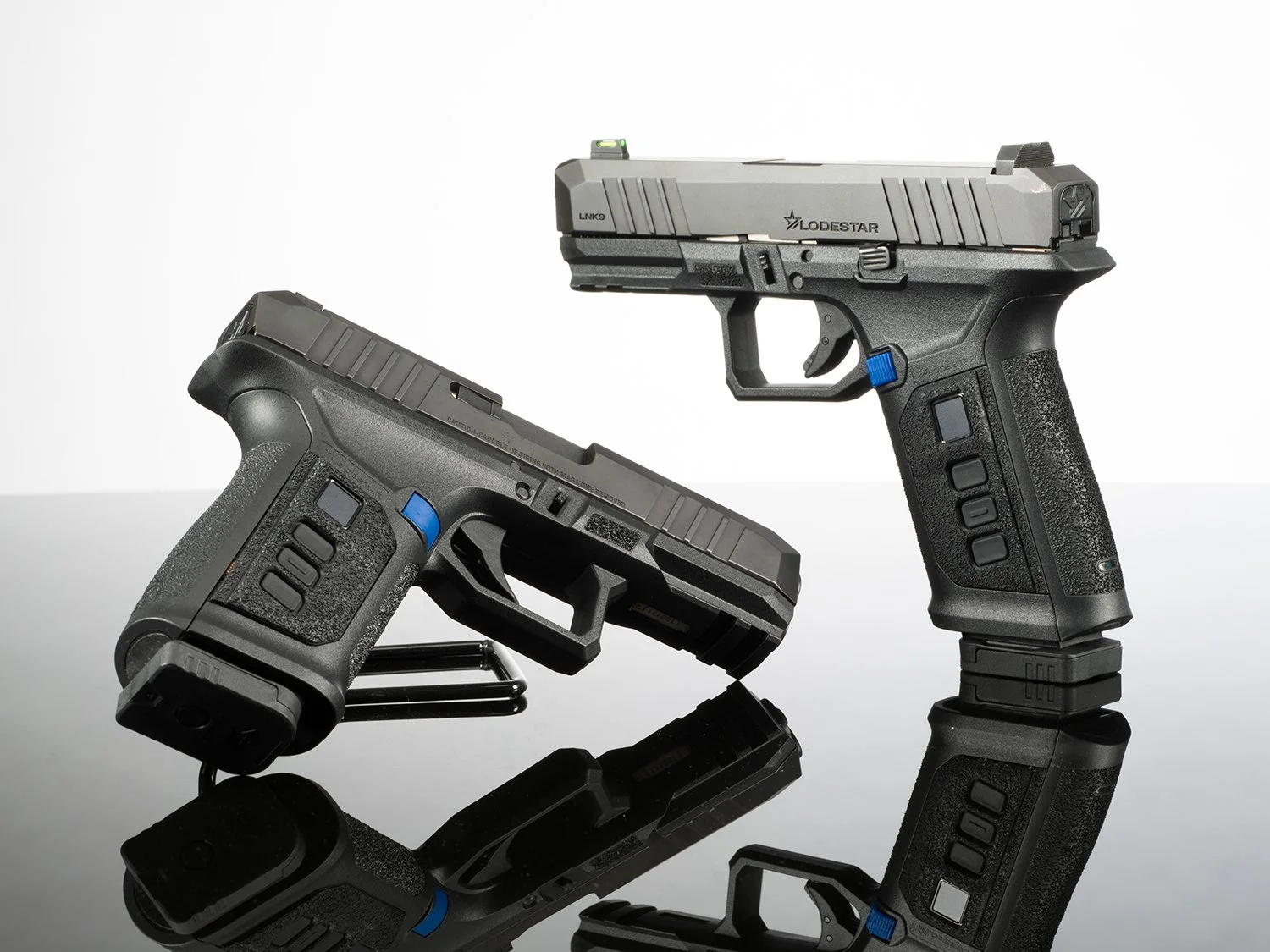
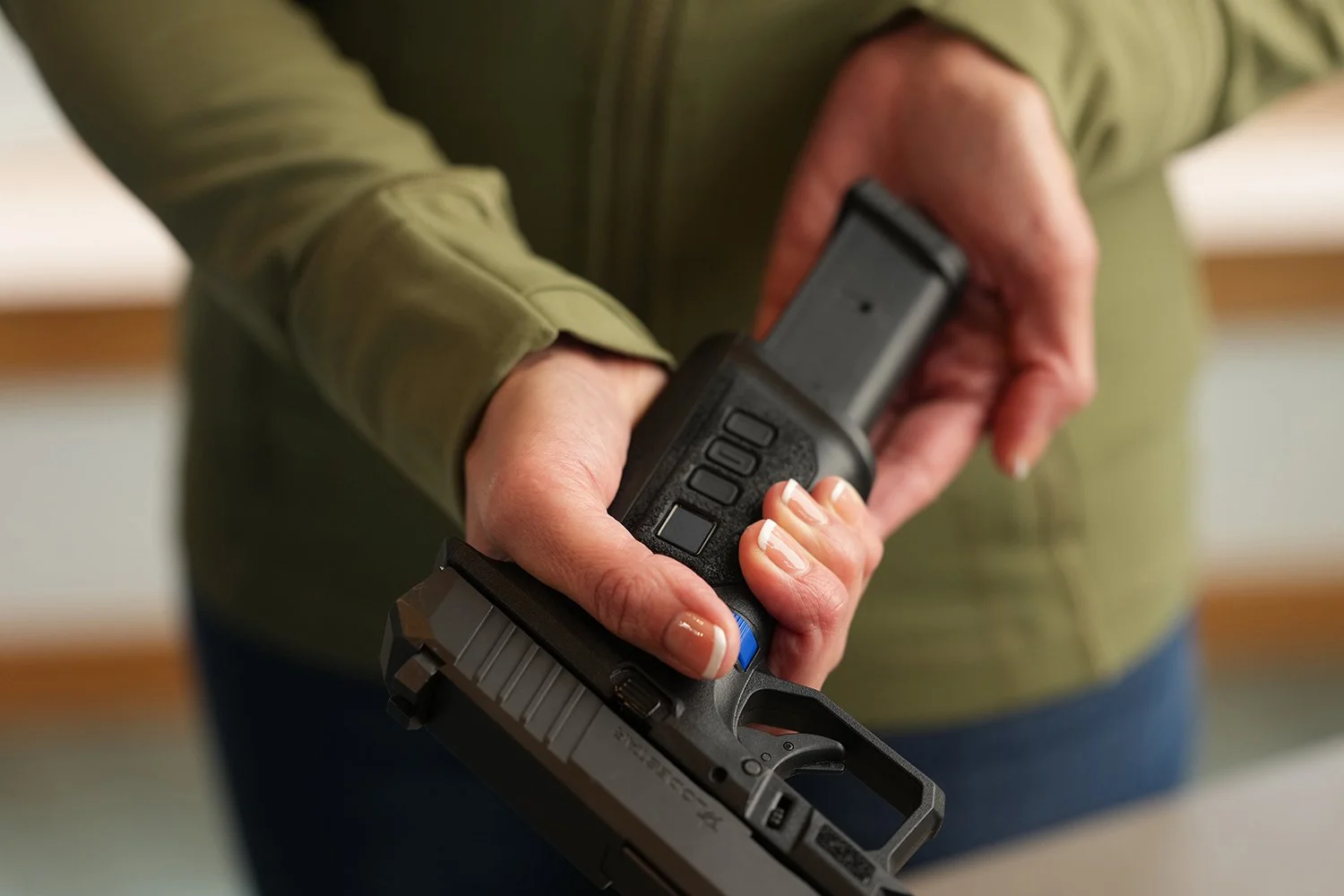
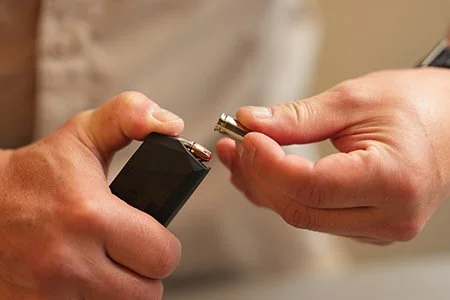
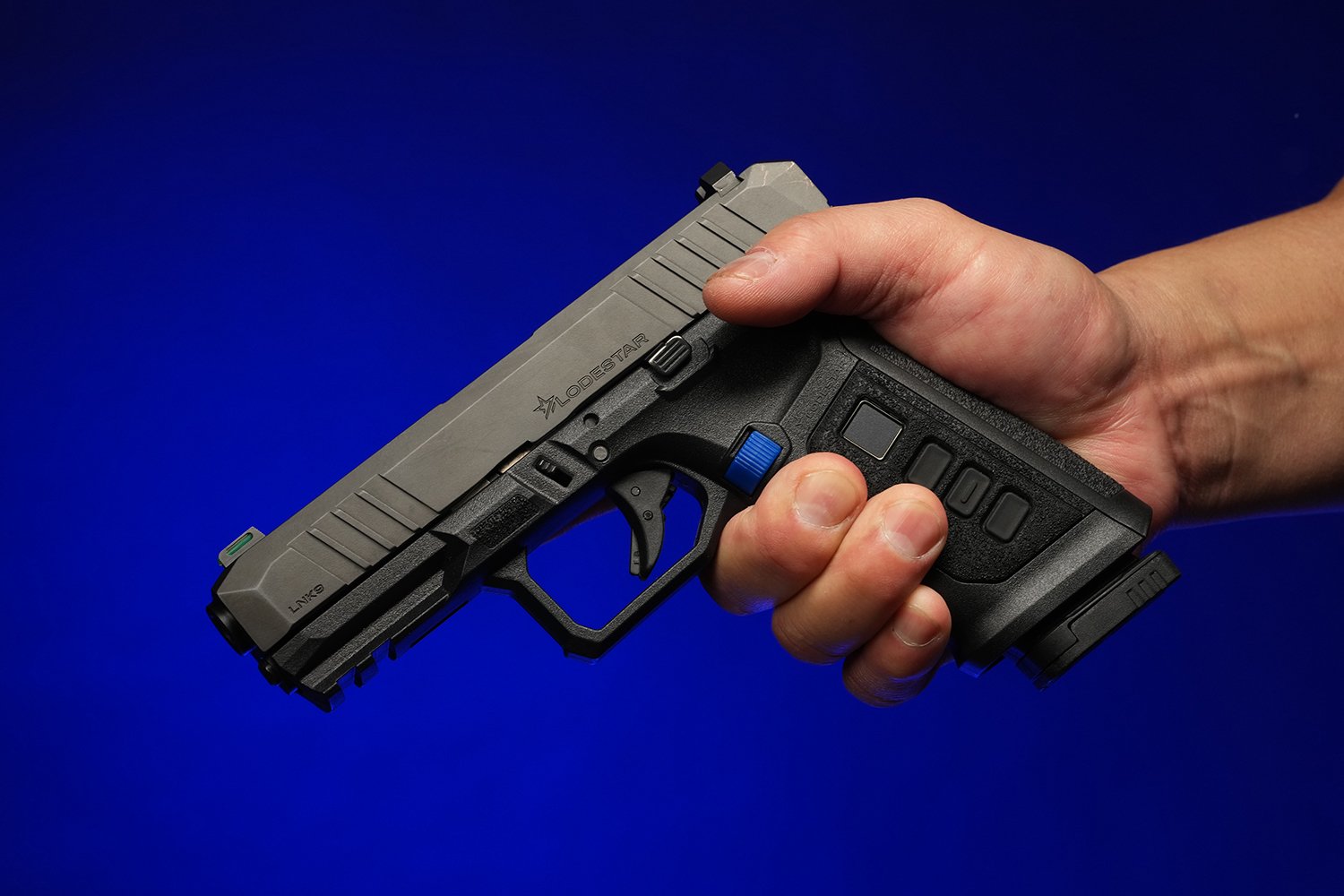
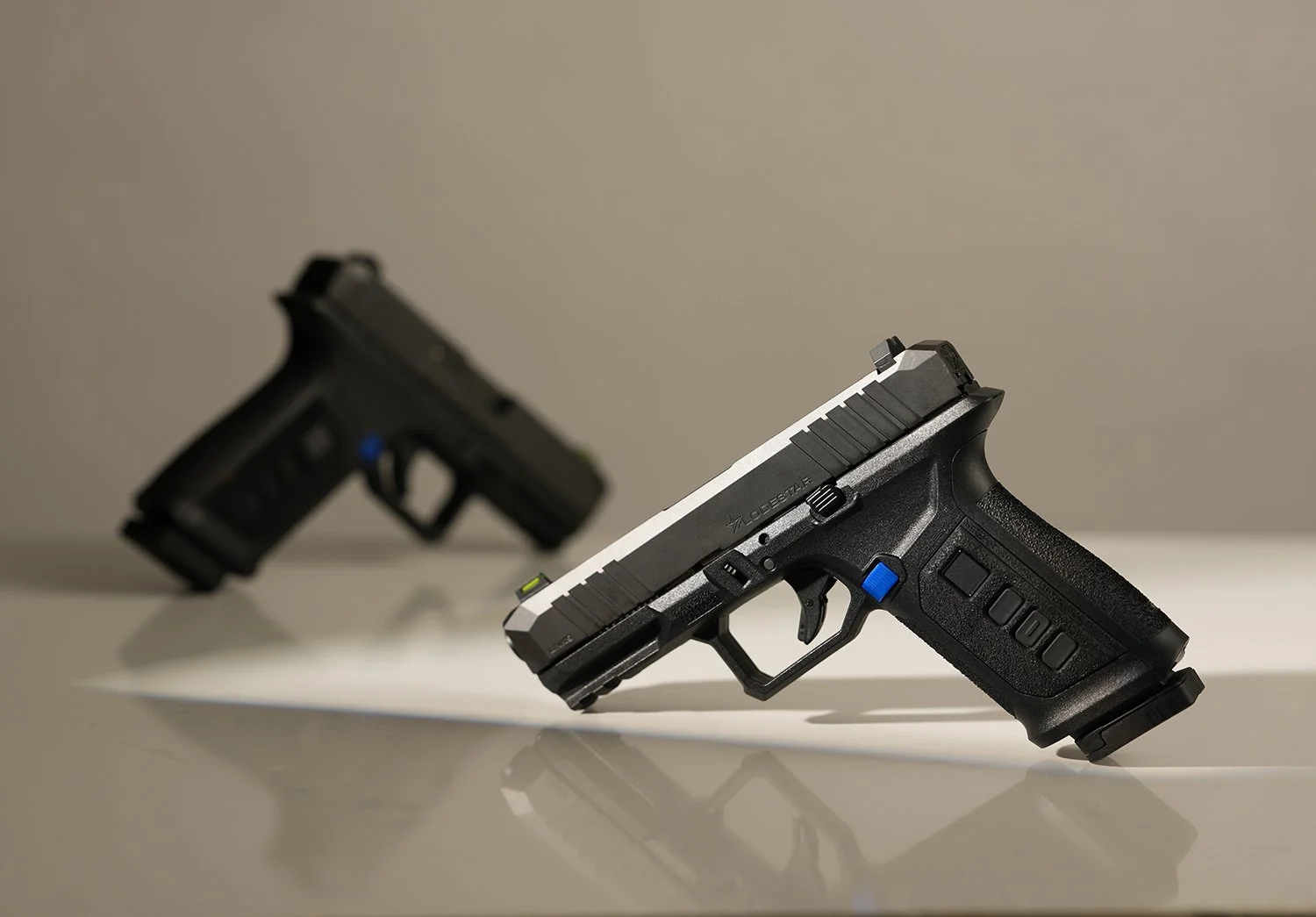
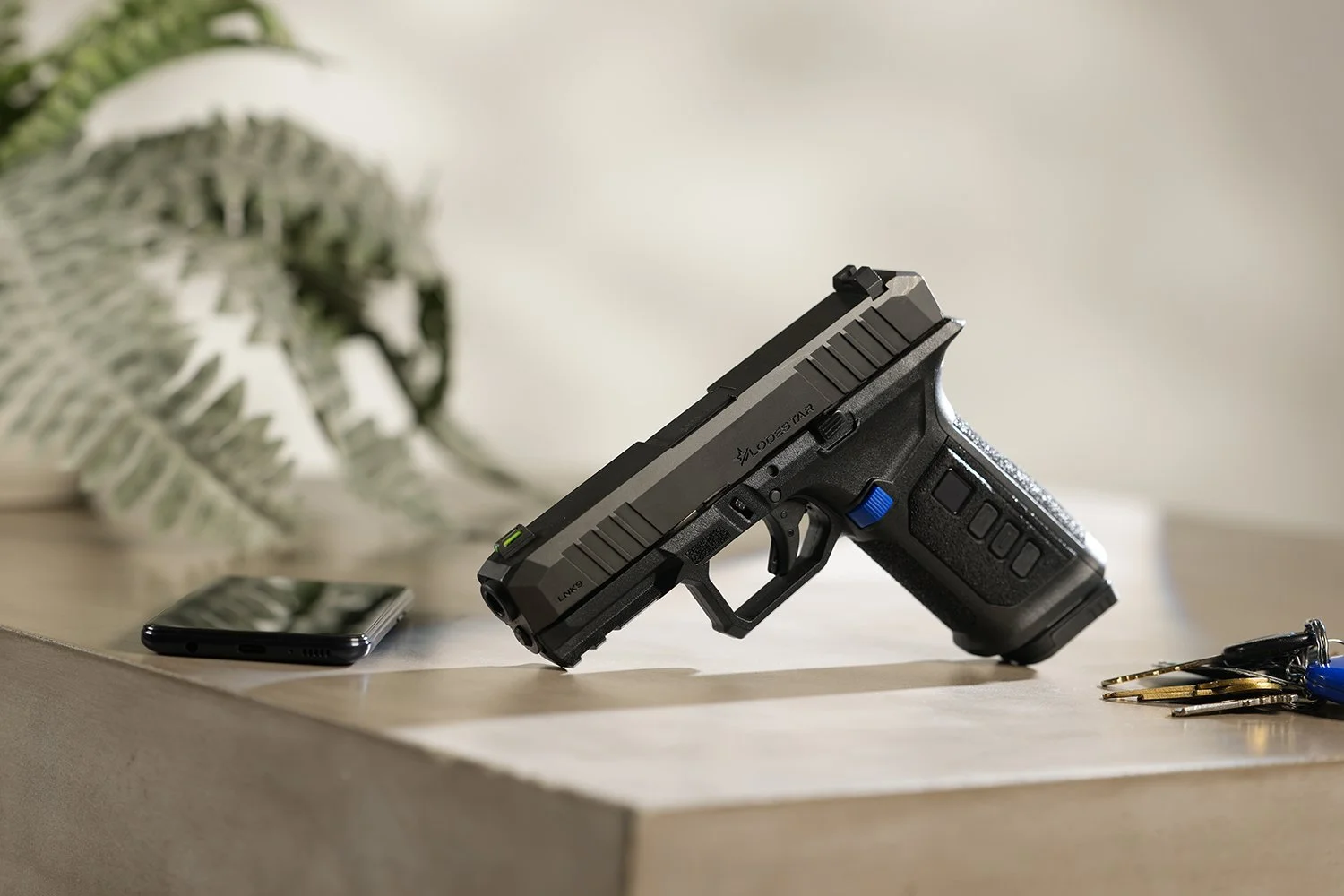
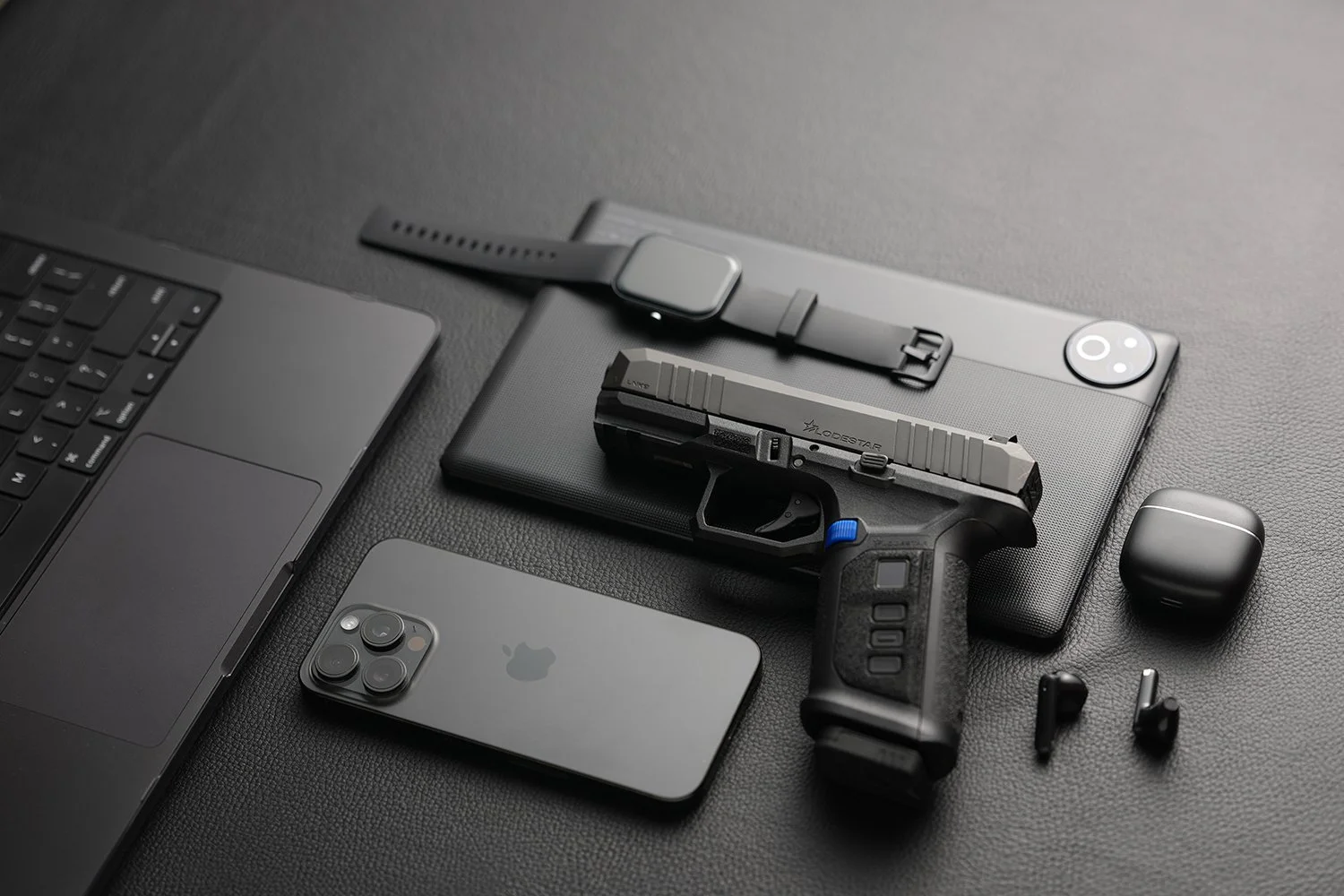
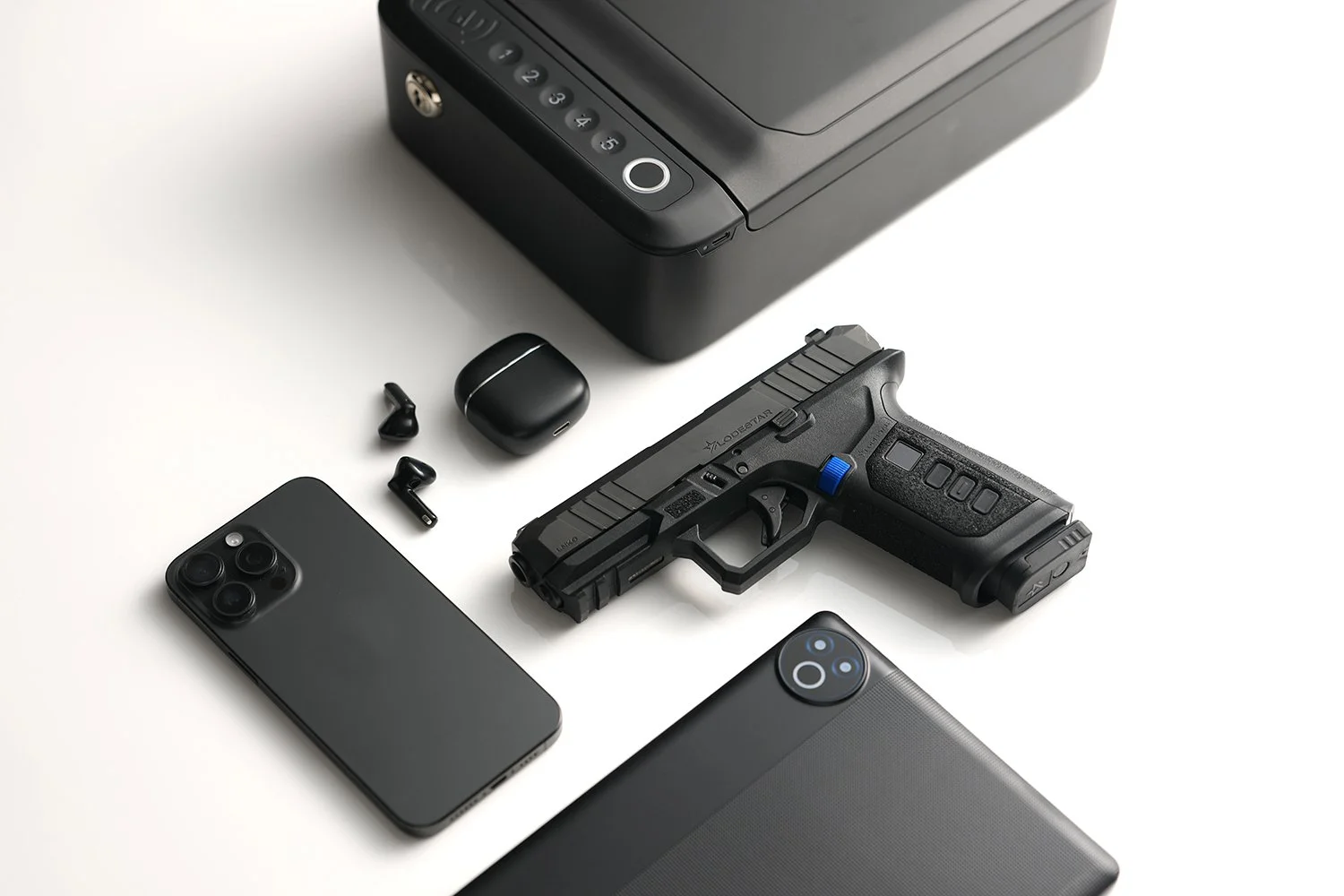
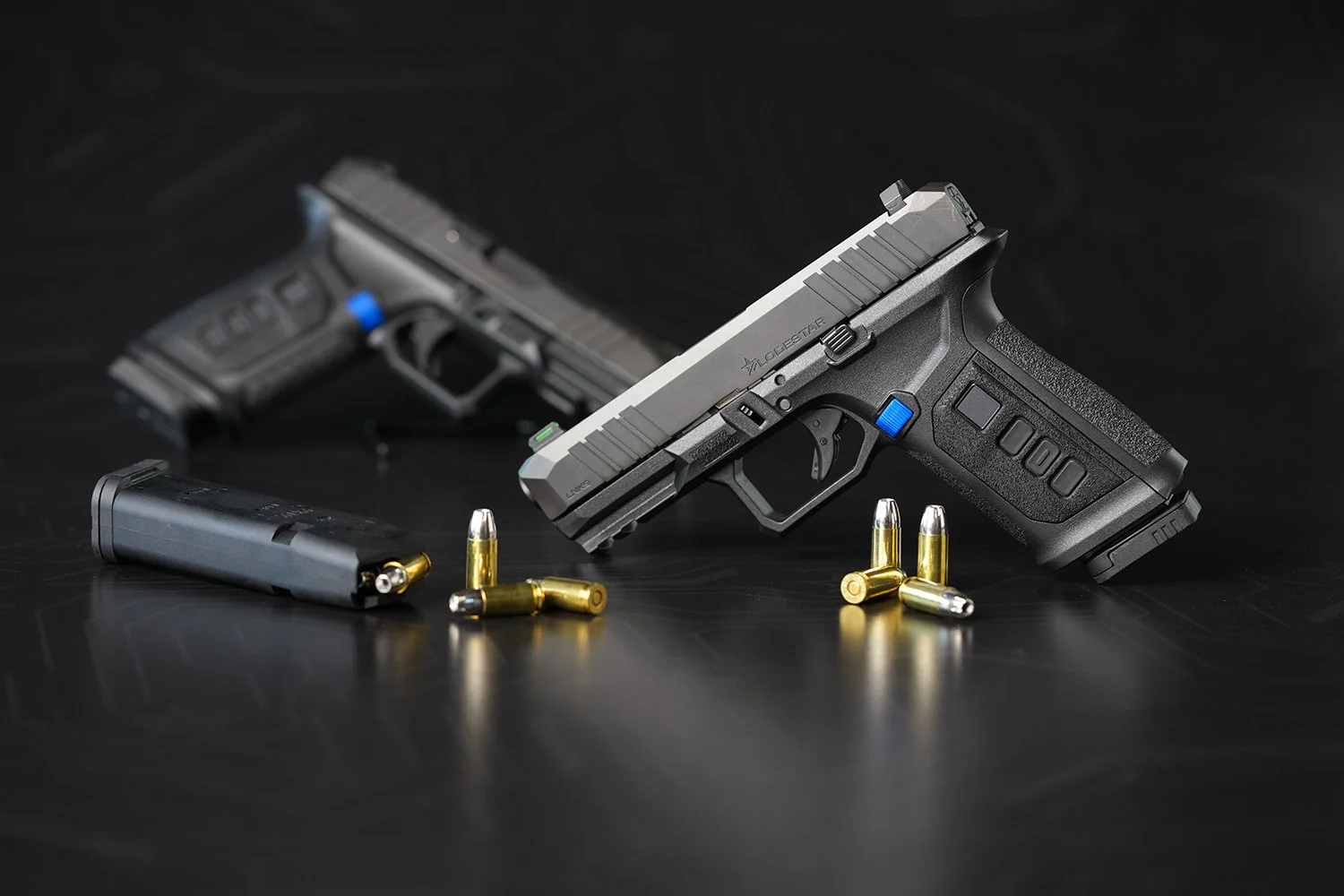
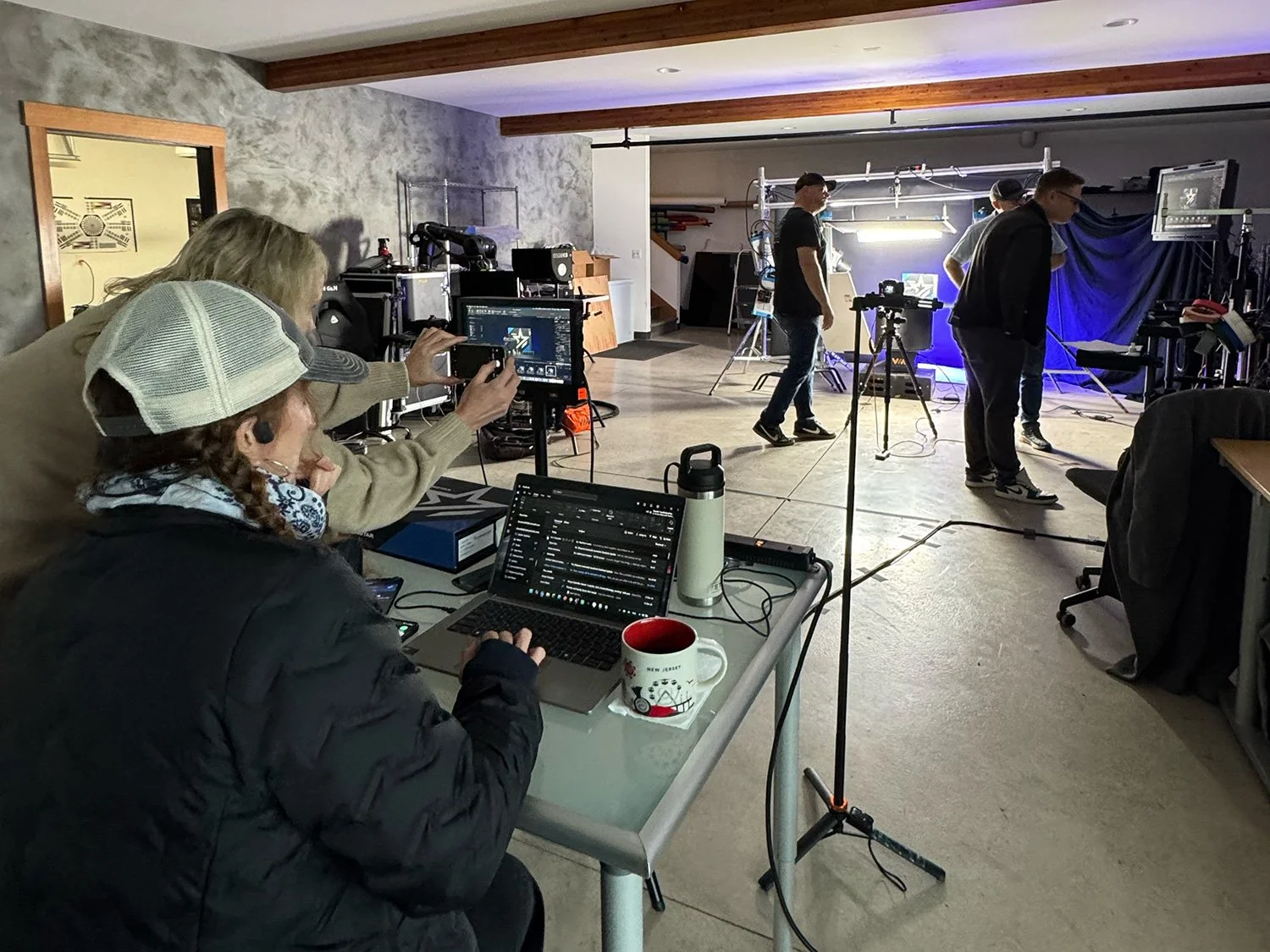
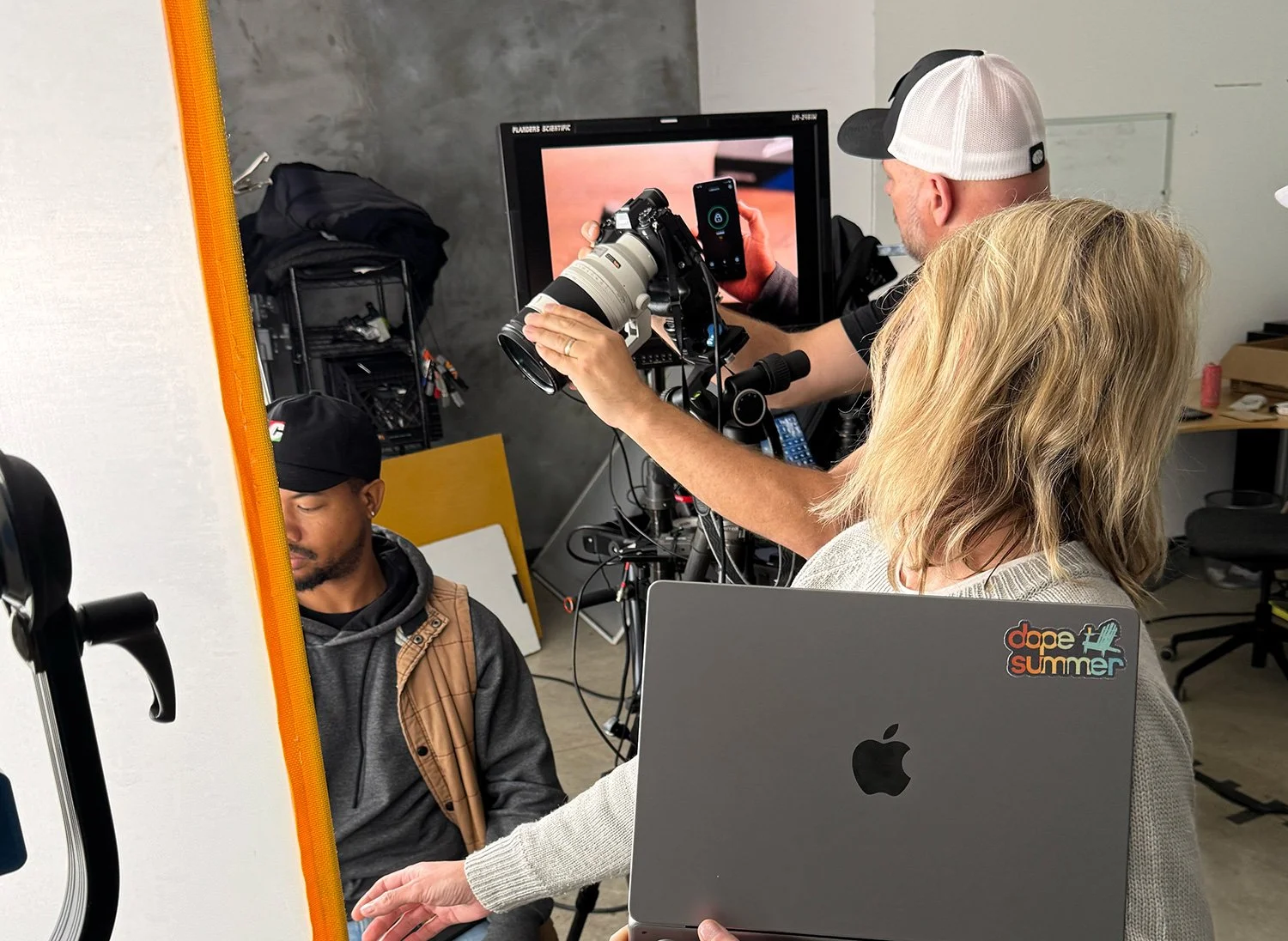
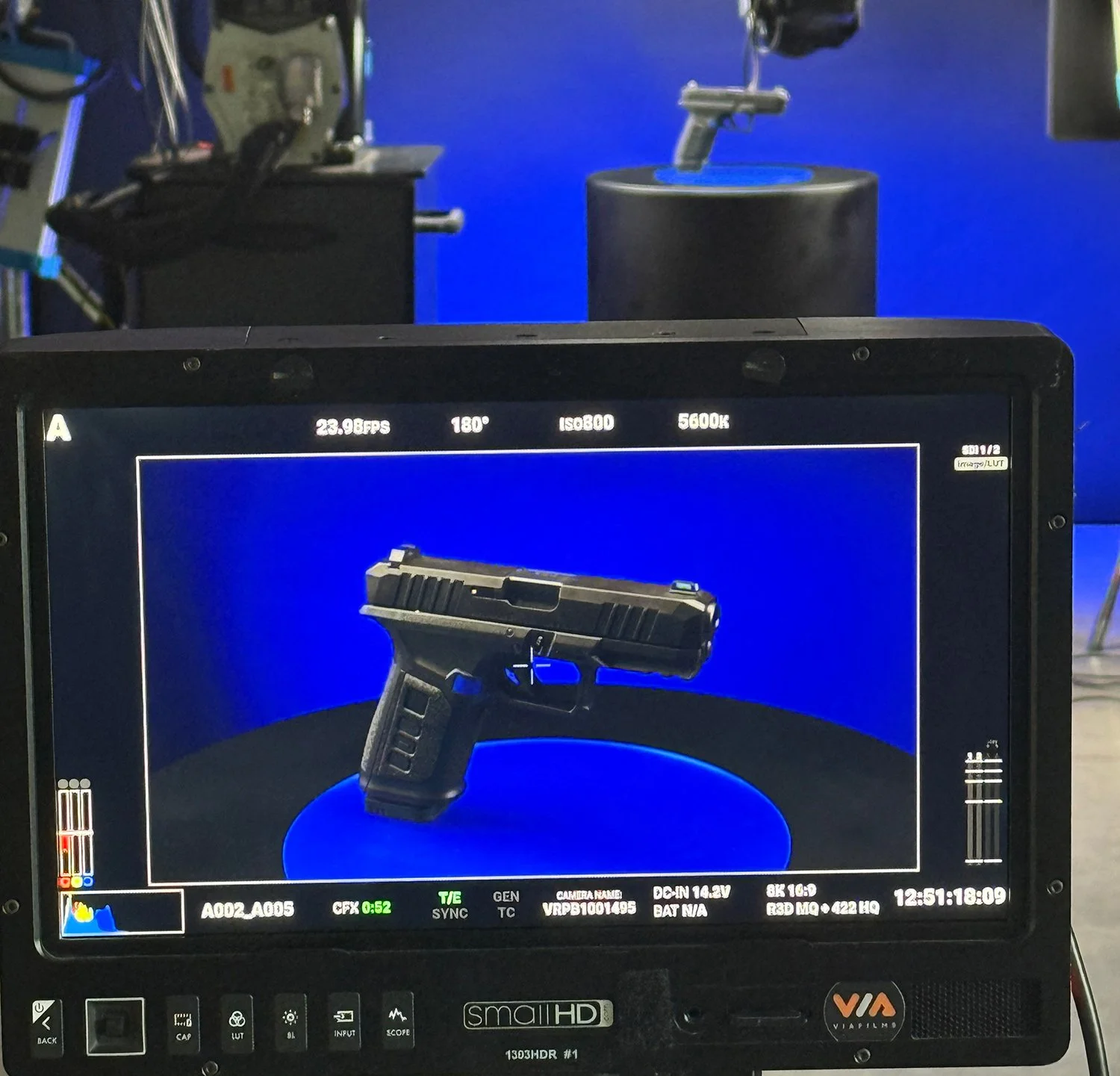
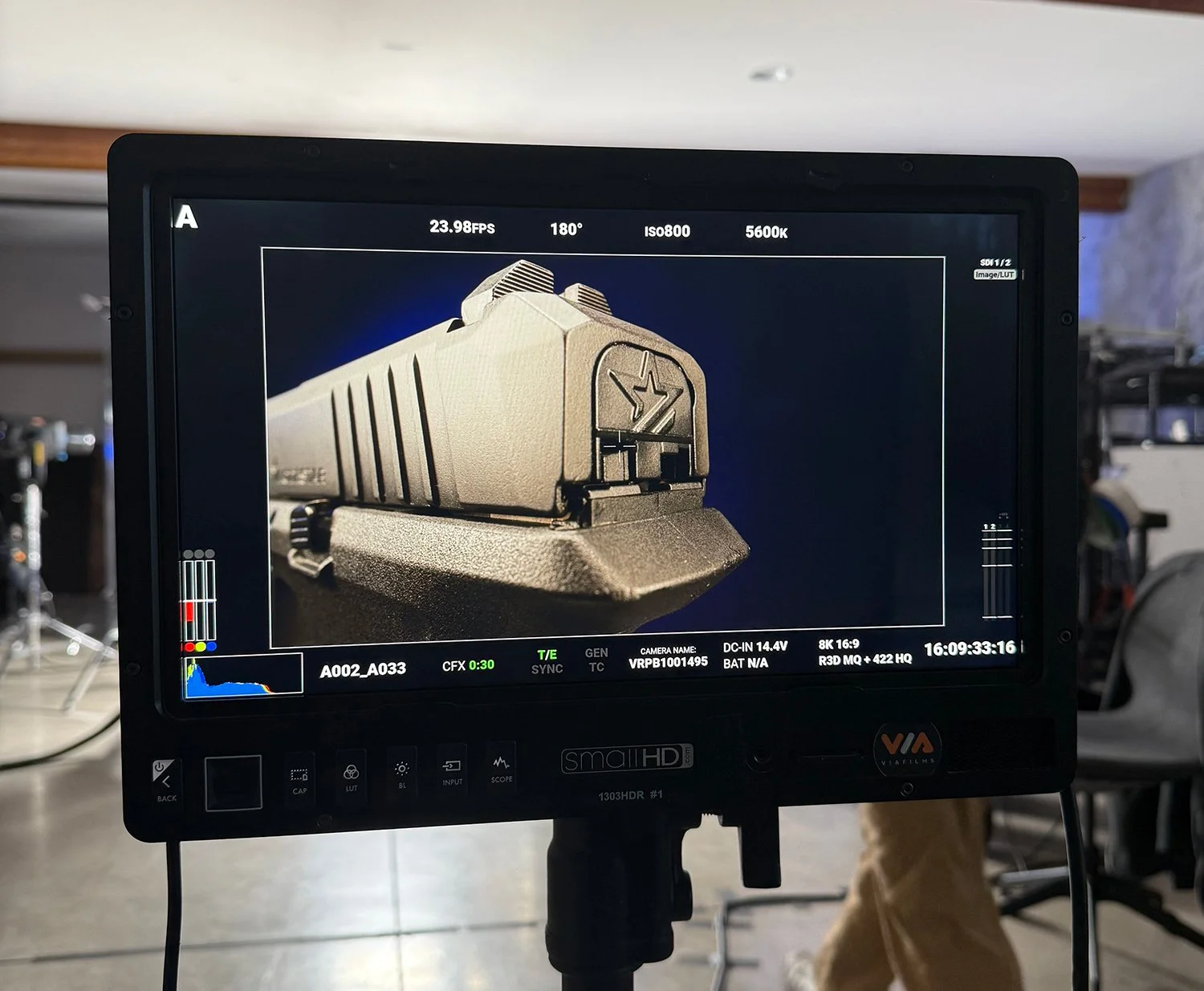
Photography and video played a central role in defining how the LNK9 would be seen, and the visual direction was developed and art directed across both.
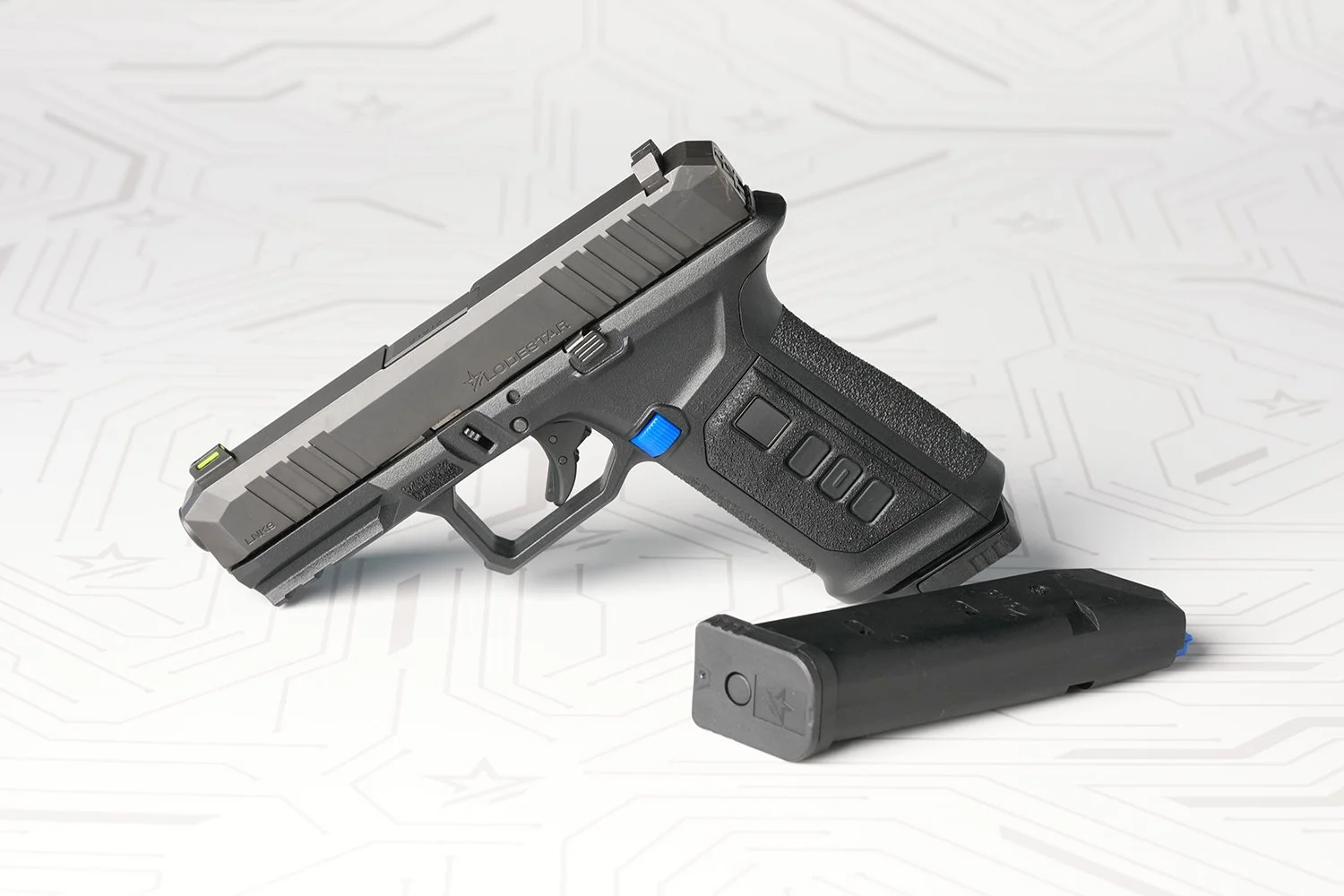
The approach balanced precision and technology with a clean, approachable aesthetic, shaping the shot list, styling, composition, and overall look to create a flexible image library for web, advertising, product education, press, and sales materials.
Product details, functionality and design were shown with clarity while maintaining a consistent look across every application.
Building the visual world around the product.
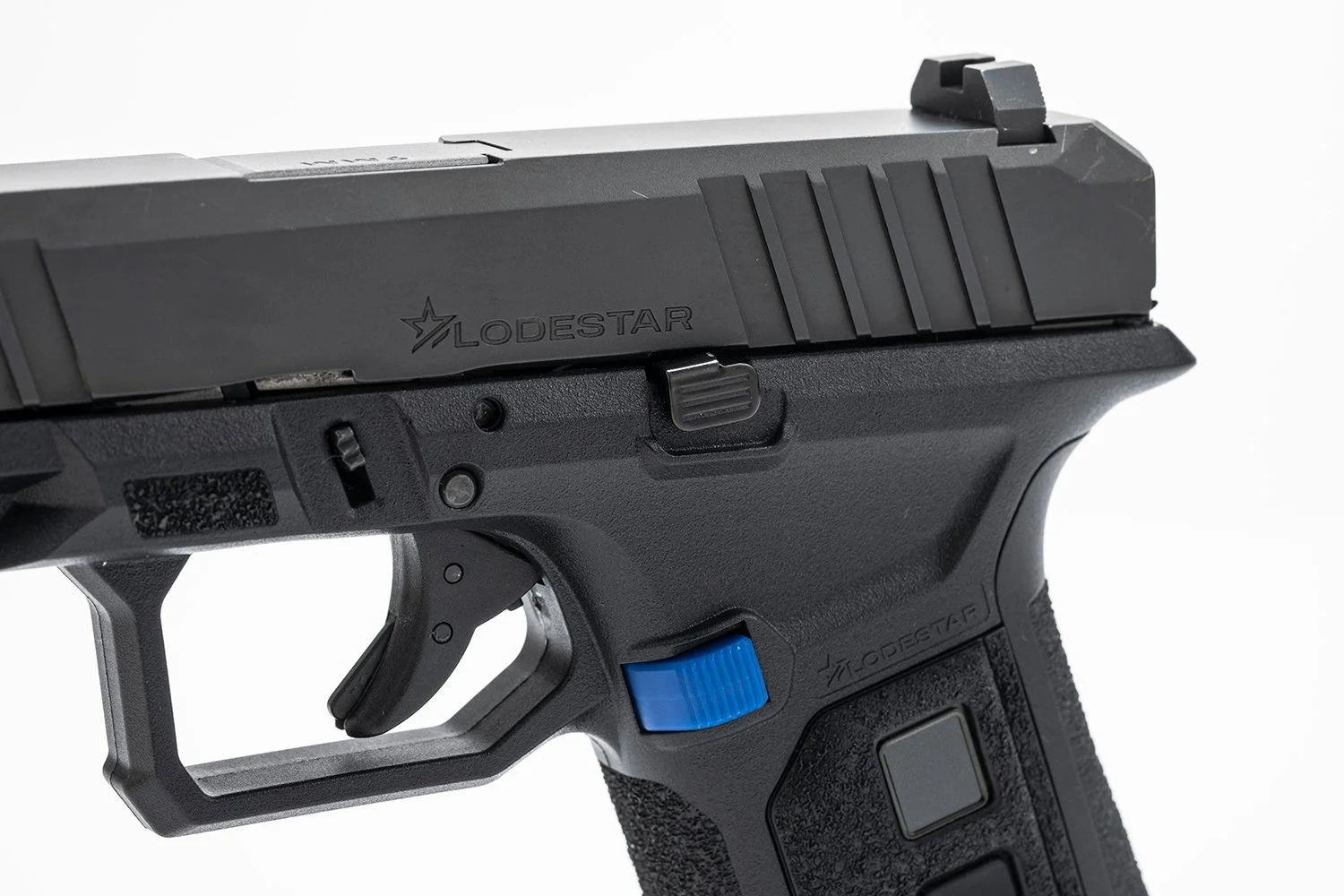
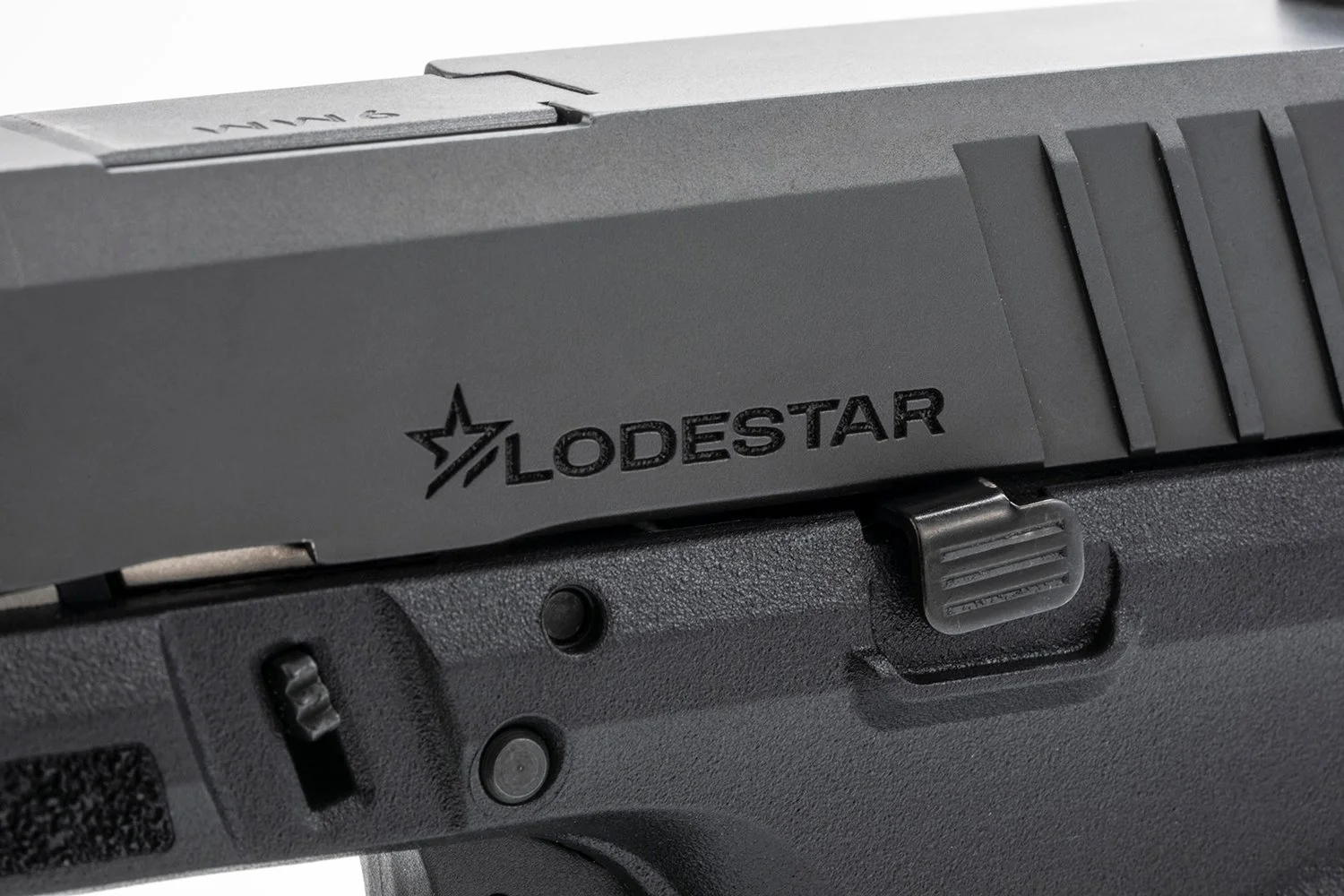
As Lodestar moved from product development into launch, the work expanded across digital advertising, print collateral, sales materials, media communications, trade show graphics, and launch support.
That meant more than designing the pieces. The role included coordinating vendors, managing timelines and production, helping shape educational and sales communications, and making sure each deliverable was ready when and where it needed to be.
The result was a coordinated launch presence that carried the product into market across multiple channels and audiences.
Let’s launch.